
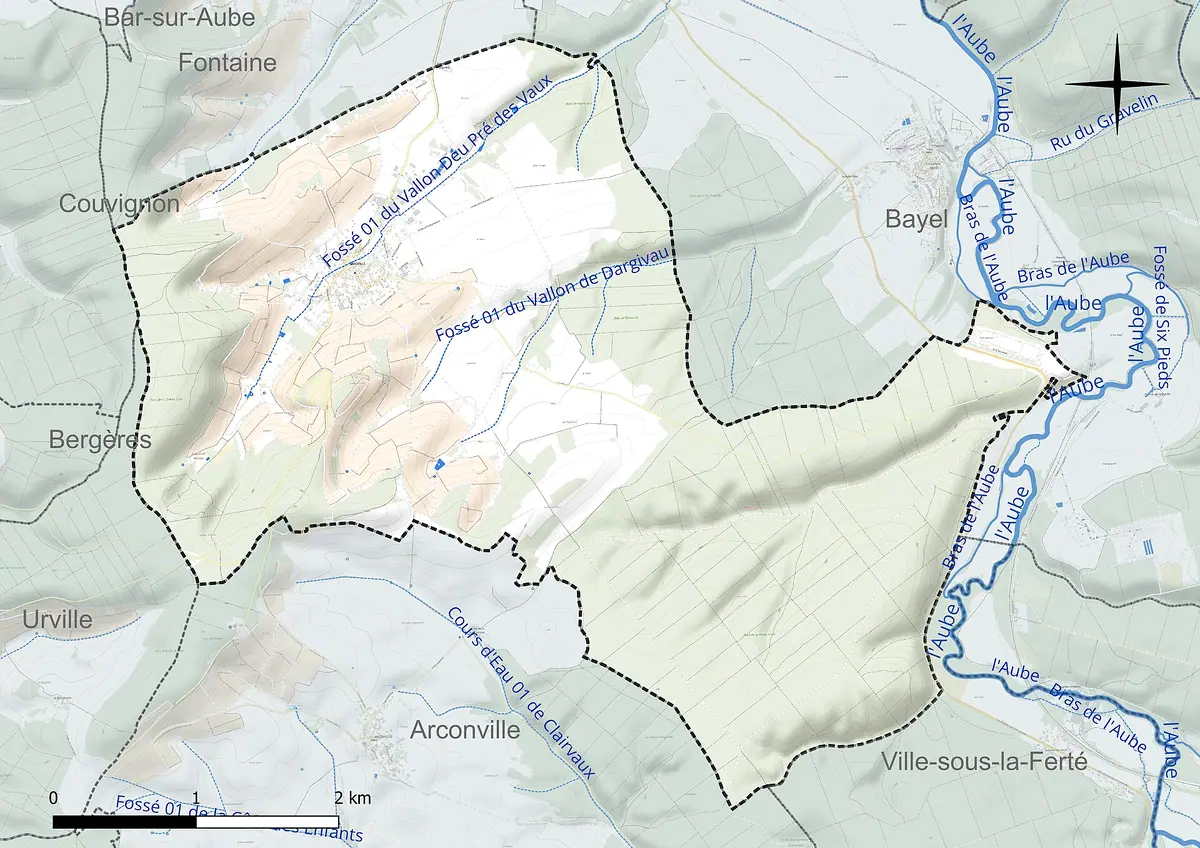
Primary aromas are the aromas that come directly from the grape, such as citrus, apple, blossom or red berries. They shape the fruit character of a champagne before lees ageing and maturity add further notes.
Primary aromas are the scents and flavours that originate in the grape. They depend on the grape variety, the site, the vintage and the ripeness of the berries. In the glass they show up as fruit, blossom, herbs or a mineral hint.
Where they come from
The aroma compounds form in the berry as it ripens. Some are already free, others are bound to sugar and are only released during fermentation. They still count as primary aromas, because their source is the vine. How much of this reaches the finished champagne also depends on the harvest and on gentle pressing. In Champagne, the chalk soil also plays its part in the freshness and structure that carry these aromas.
Primary aromas of the three main grape varieties
Chardonnay often shows citrus fruits, white blossom and green apple, along with a chalky, saline freshness. Pinot Noir tends to deliver red fruits such as cherry, raspberry and strawberry, and gives the wine body. Pinot Meunier is often associated with juicy, ripe fruit, such as apple and pear, and with a round texture. Which notes come to the fore depends heavily on origin and vintage, and there is no fixed catalogue.
How they differ from secondary and tertiary aromas
Secondary aromas arise from fermentation and the work of the yeasts. Tertiary aromas develop during maturation. In champagne, the long ageing on the lees (sur lie) plays a major role here. It brings notes of brioche, toast, nuts or honey, and later dried fruit. This division is an aid to tasting, and the boundaries between the categories are fluid.
What to look for when tasting
Primary aromas are most prominent in young champagnes, often in a Blanc de Blancs or a fruit-driven rosé. A wine like this feels fresh, direct and clear. Over time the fruit notes recede, but in good cuvées they remain the foundation on which the mature notes are built. If you want to pick them out well, don't serve the champagne too cold and use a glass with a little volume, where the aromas have room to open up.
Pictures
 0 %
