
Vinification is the whole process of winemaking, from pressing the grapes to the finished wine. In Champagne it refers above all to the making of the still base wines that later become champagne.
Vinification is the technical term for all the steps that turn grape must into wine. In champagne it usually refers to the first phase: the production of the still base wines, the vins clairs. Only afterwards come assemblage and the second fermentation in the bottle, which creates the bubbles.
Pressing: gentleness counts
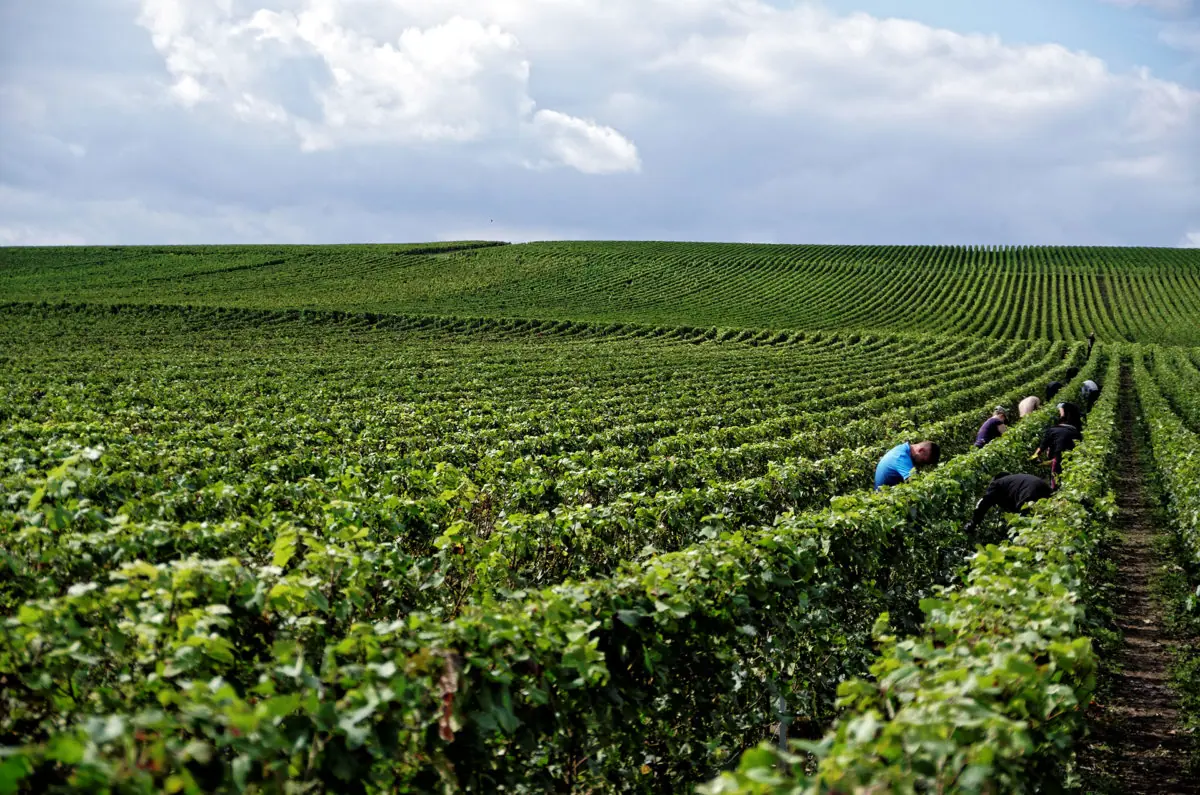
Even the harvest in Champagne is done by hand, and the grapes go into the press whole. There the juice is separated into fractions. A traditional press load holds 4,000 kilograms of grapes and yields 2,550 litres of must. The first 2,050 litres are called the cuvée and are considered the finest, while the following 500 litres are called the taille. Making white must from red varieties such as Pinot Noir and Meunier depends on the skins giving up hardly any colour.
Settling and fermenting
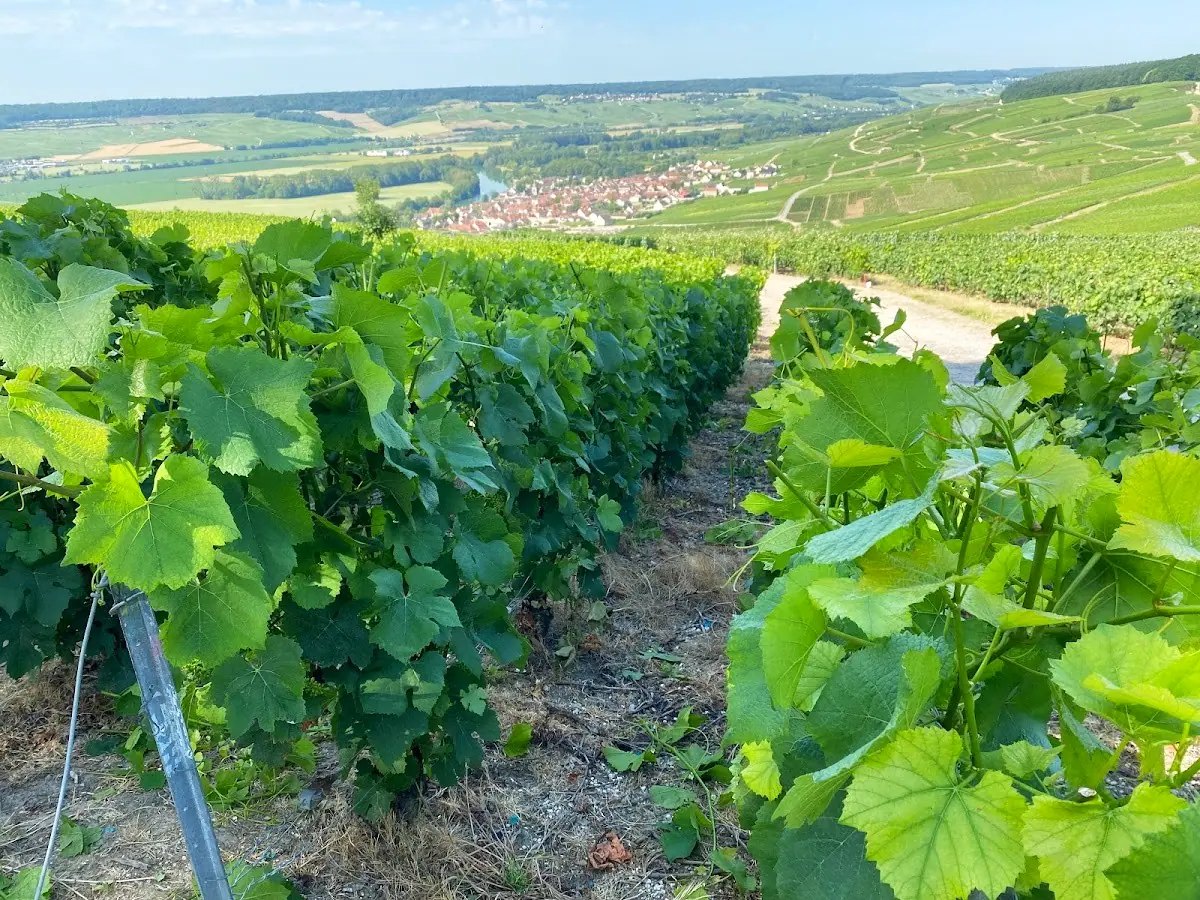
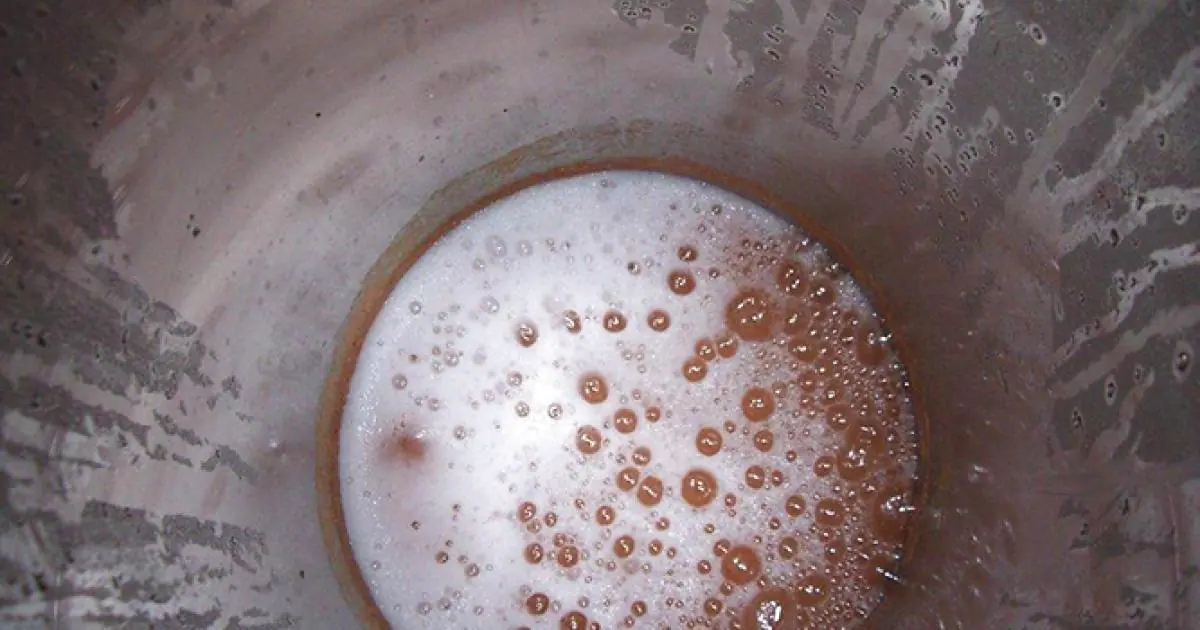
The must first rests so that solids can settle (débourbage). Then comes the alcoholic fermentation. Many houses use temperature-controlled stainless steel tanks, which keep the wine fresh and clear. Others rely wholly or partly on oak barrels, concrete eggs or amphorae, which changes texture and aroma. Vineyard sites, individual plots and grape varieties are often vinified separately, so that as many building blocks as possible are available later on.
Malolactic conversion and ageing
Malolactic fermentation (fermentation malolactique) often follows. It converts harsh malic acid into softer lactic acid and rounds out the wine. Some producers deliberately avoid it in order to preserve more tension and acidity. That is a question of house style. Part of the wine goes on maturing as reserve wine and later finds its way into non-vintage cuvées.
From base wine to champagne
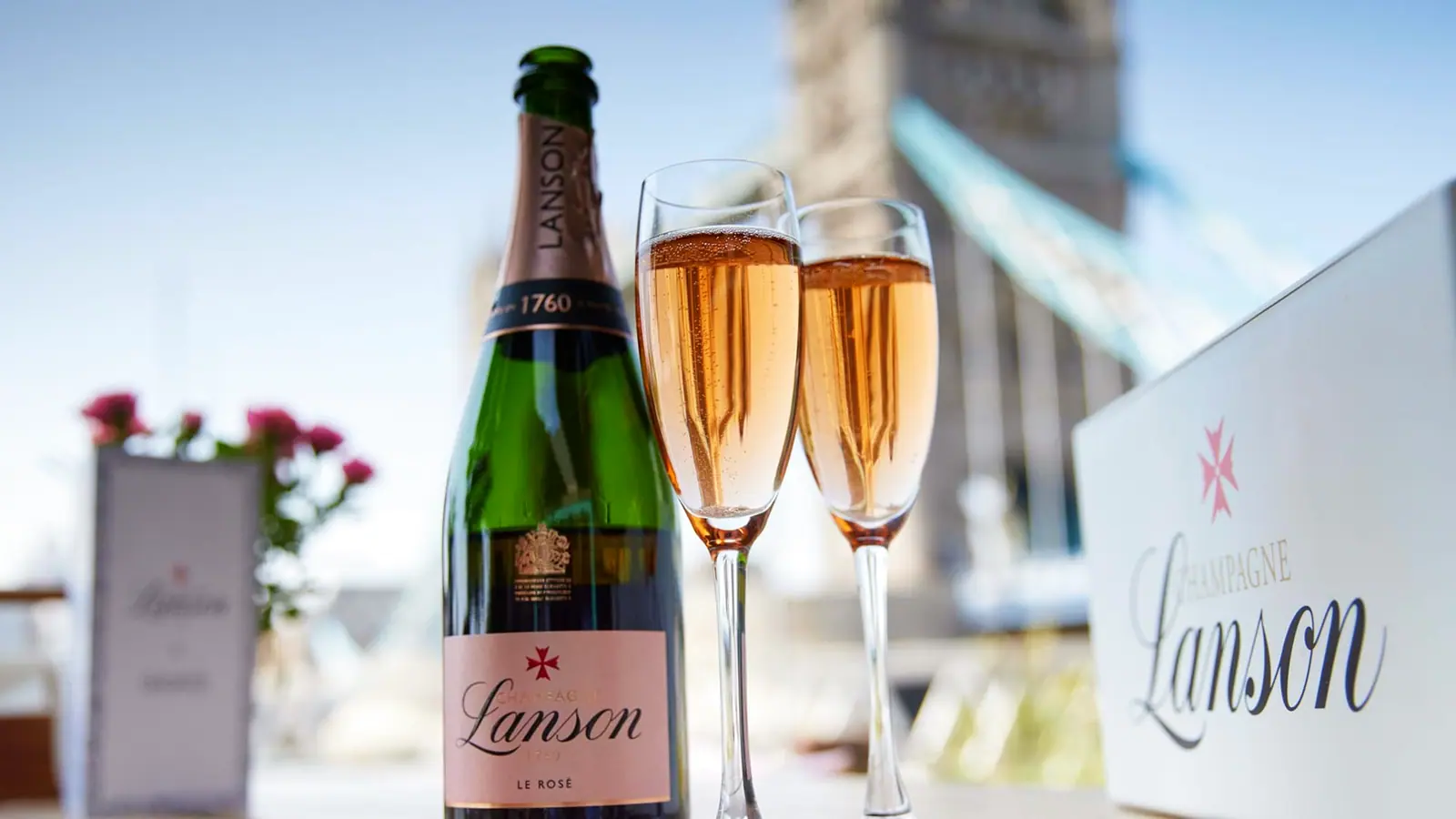
From the finished base wines the cellar master composes the cuvée. For rosé there are two routes: adding red wine from Champagne (rosé d'assemblage) or drawing colour through brief skin contact (saignée). The cuvée is then given sugar and yeast and filled into bottles. This starts the second fermentation, the prise de mousse. Everything decided during vinification shapes the character of the future champagne in a decisive way: its clarity, structure and ageing potential.
Pictures
 0 %
