
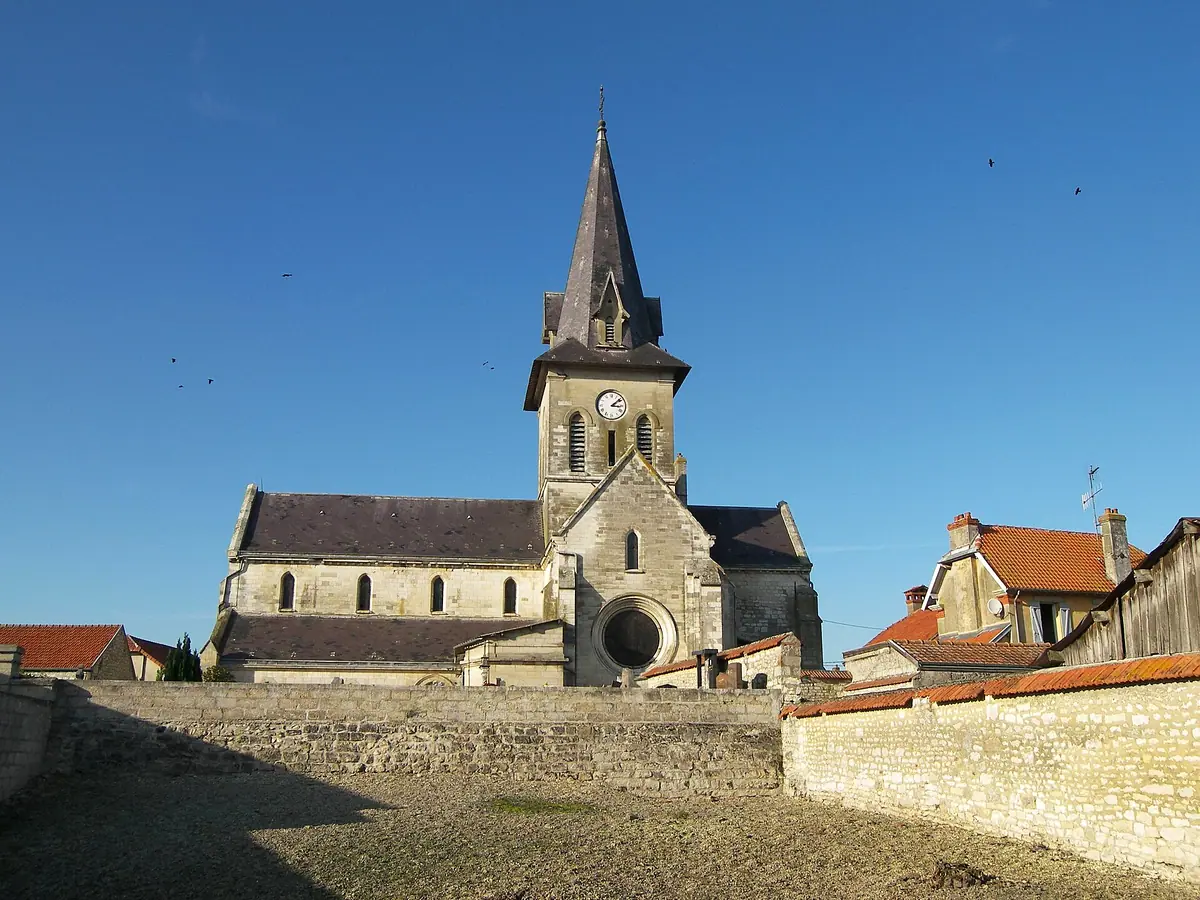
The ripeness monitoring programme <em>Réseau Matu</em> is the Comité Champagne's system of measurements that tracks how the grapes ripen across the whole of Champagne before the harvest. Its data helps determine the right moment to start picking.
Ripeness monitoring is the programme of measurements Champagne uses to follow how its grapes ripen before the harvest. It is run by the Comité Champagne (CIVC) under the name Réseau Matu, short for maturation. It provides the data behind a question that is especially delicate in France's northernmost major wine region: when is the right moment to pick?
How the monitoring works
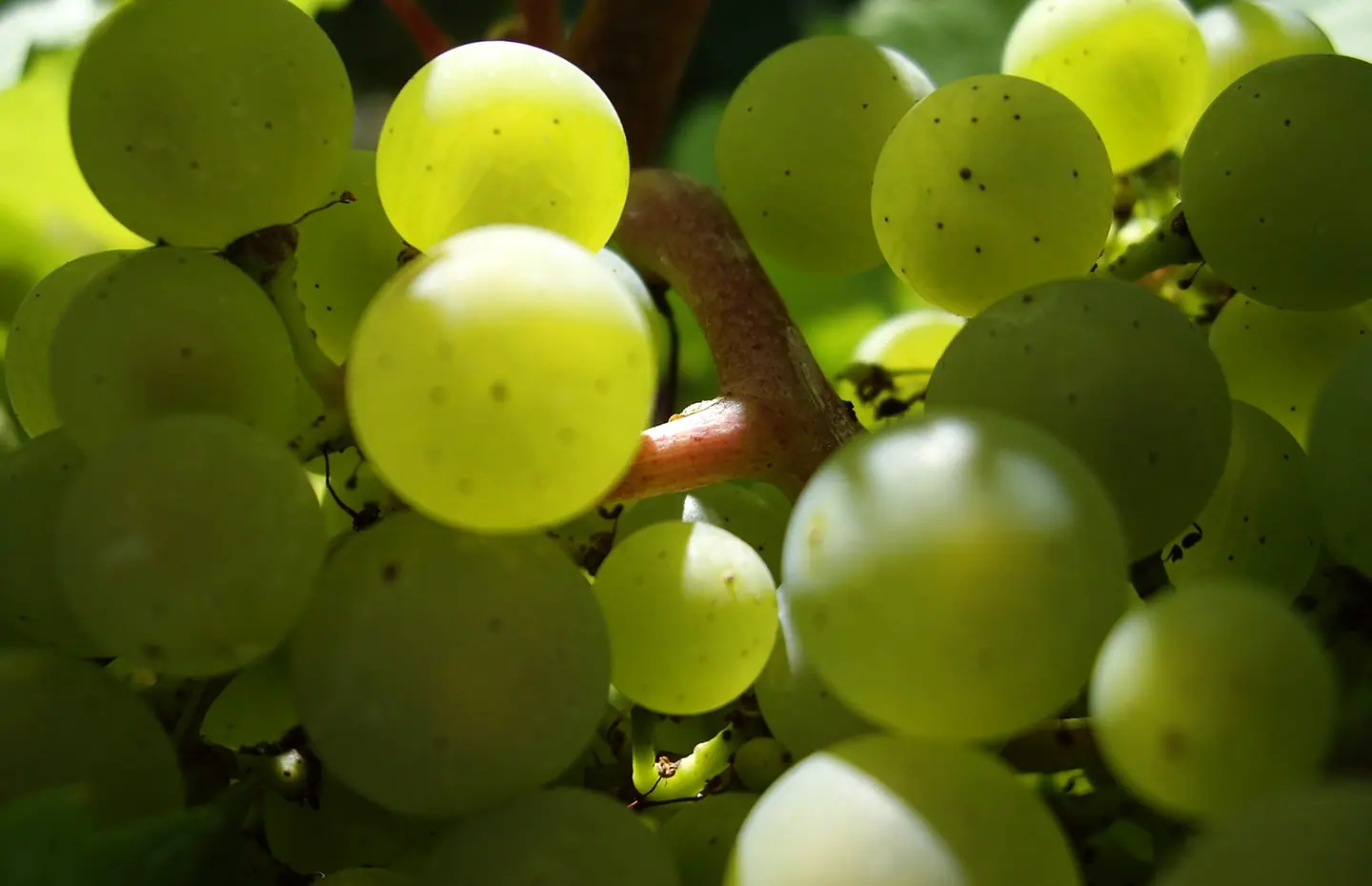
Reference plots for Chardonnay, Pinot Noir and Pinot Meunier are spread across the appellation. In the weeks before the harvest, berries are sampled and analysed there at regular intervals. The main measurements are sugar content, total acidity (including the proportions of malic and tartaric acid), pH and berry weight. An assessment of the grapes' health is added, for instance with regard to rot. The results are published continuously, so that growers, cooperatives and champagne houses can follow the development week by week.
Why acidity counts as much as sugar
In Champagne the aim is not the highest possible must weight. The base wines need to be fresh and relatively lean, because the second fermentation in the bottle adds further alcohol. What is sought is balance: ripe fruit aromas with firm acidity. As ripening progresses, sugar rises while acidity falls, above all malic acid. The measurement series show when the two curves stand in the relationship that the intended style calls for.
From measurements to the start of picking
Not every grower chooses the start of the harvest by instinct. The go-ahead, the ban des vendanges, is set officially, separately for each commune and grape variety. The ripeness data forms an important basis for it. Chardonnay on the Côte des Blancs may therefore start earlier or later than Pinot Noir on the Montagne de Reims or Meunier in the Marne Valley. For producers the figures are also a planning tool: pickers, presses and transport routes are easier to organise once the date begins to take shape.
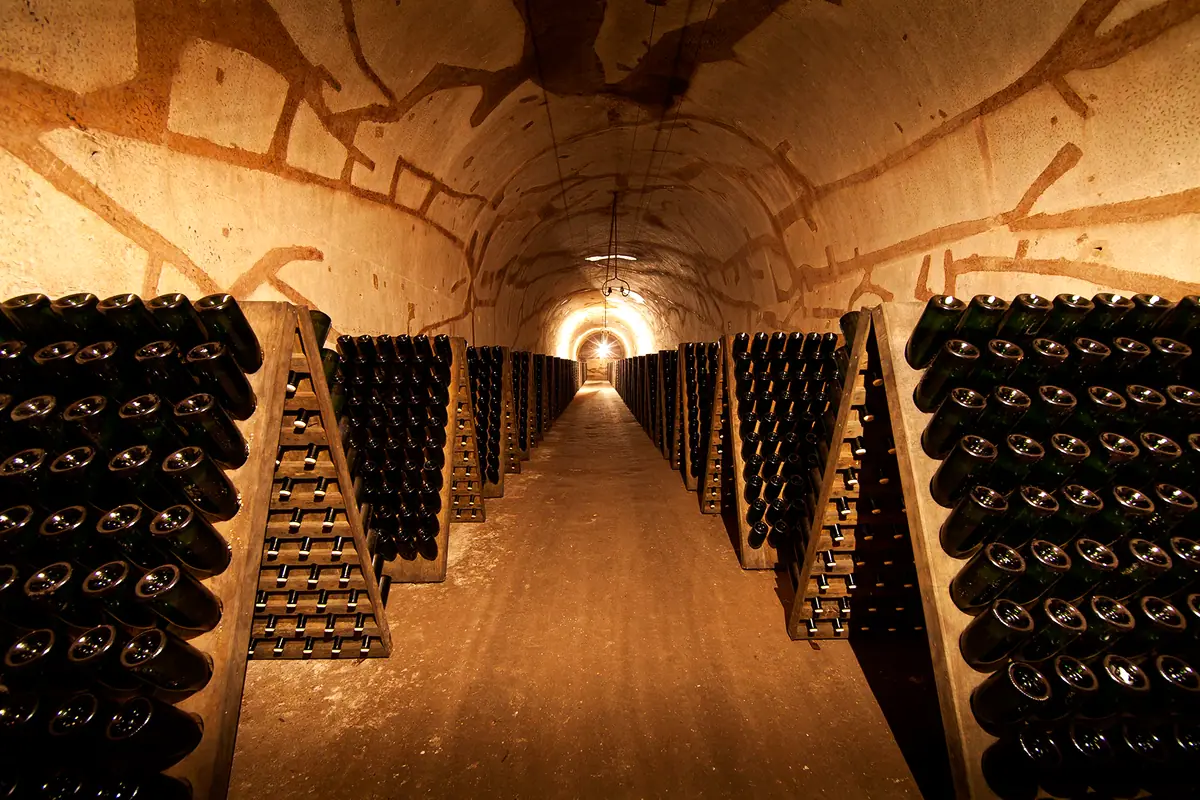 Pol Roger champagne cellar
Why it matters in the age of climate change
Over recent decades the harvest has moved forward overall, and in warm years acidity breaks down faster. That makes careful observation more important. The ripeness monitoring makes it possible to spot differences between vintages and to use the picking window with precision. It does not replace tasting the berries in the vineyard, but it complements that with comparable measurements from across the whole region.
Pictures



 0 %
