
Château de Bligny Champagne: a champagne heritage
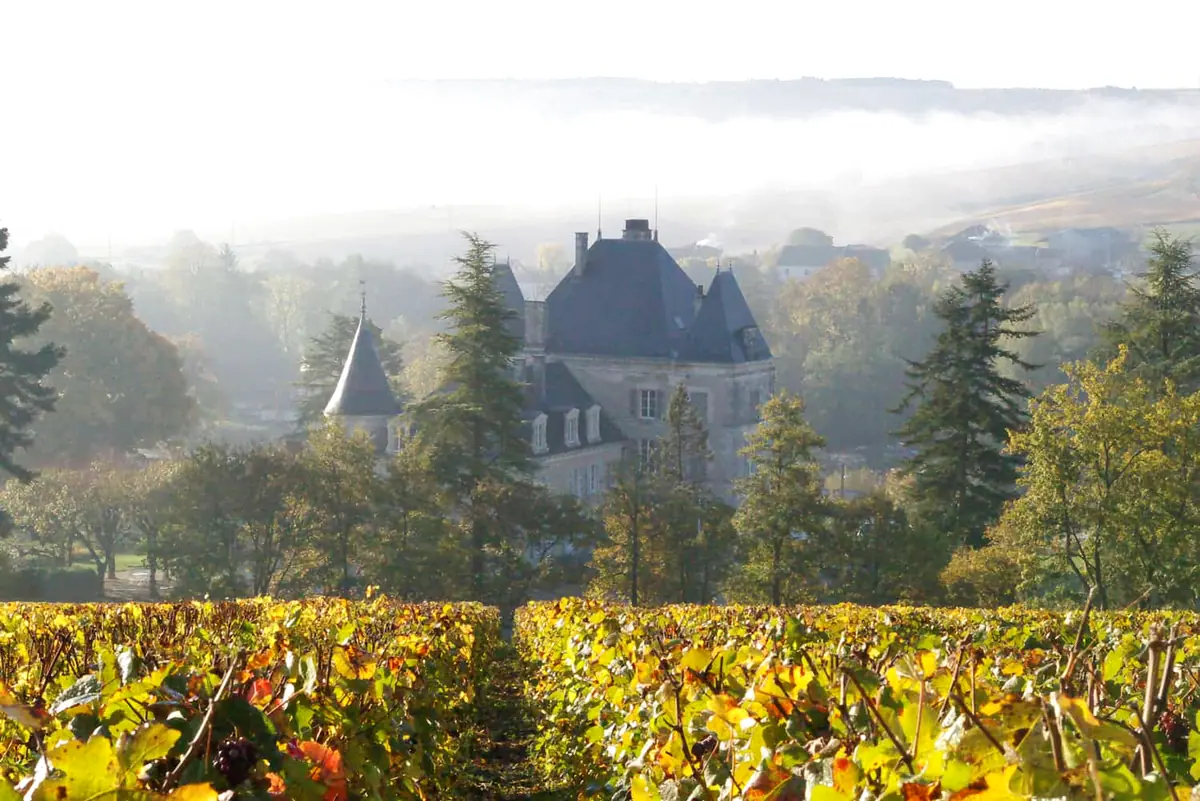
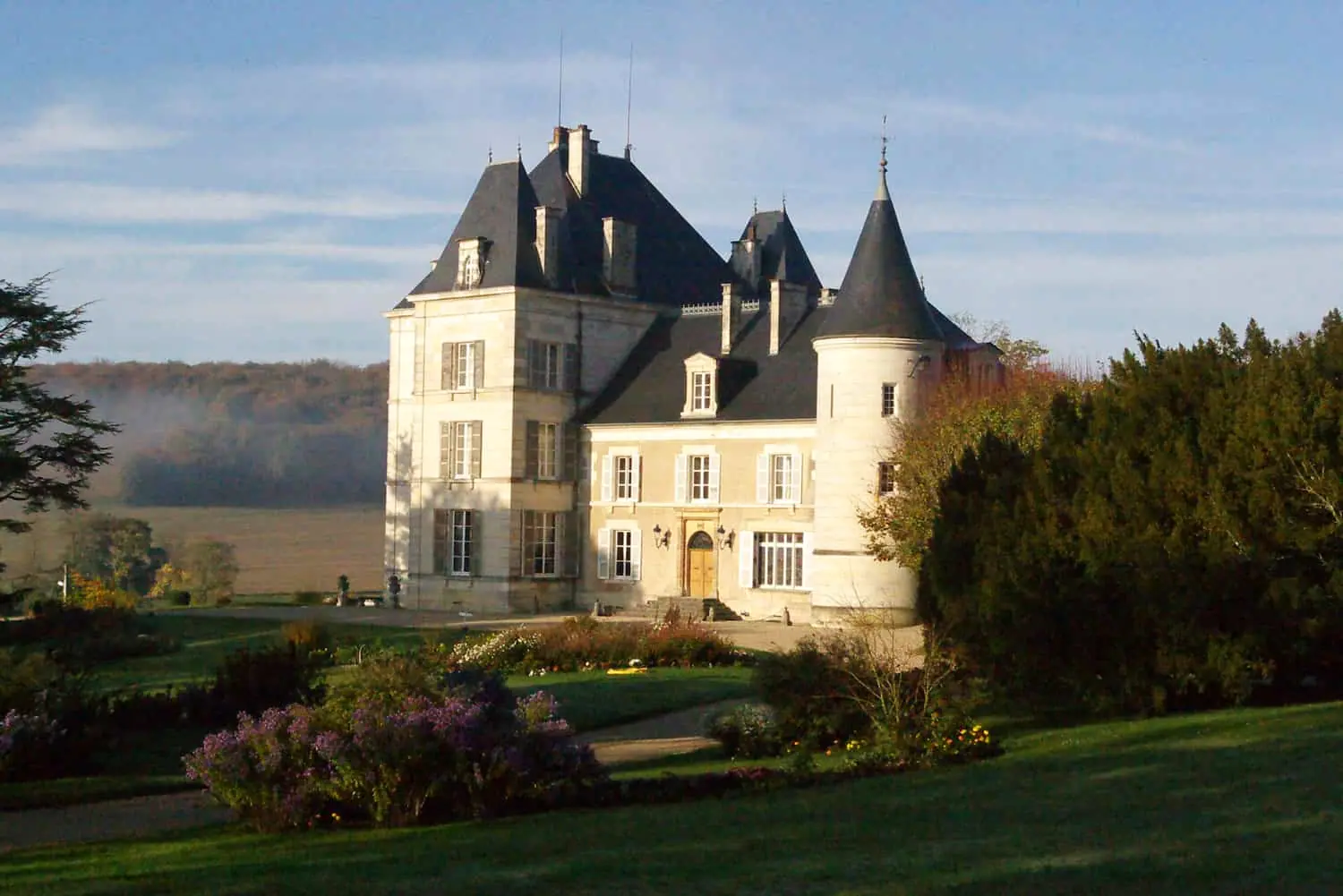
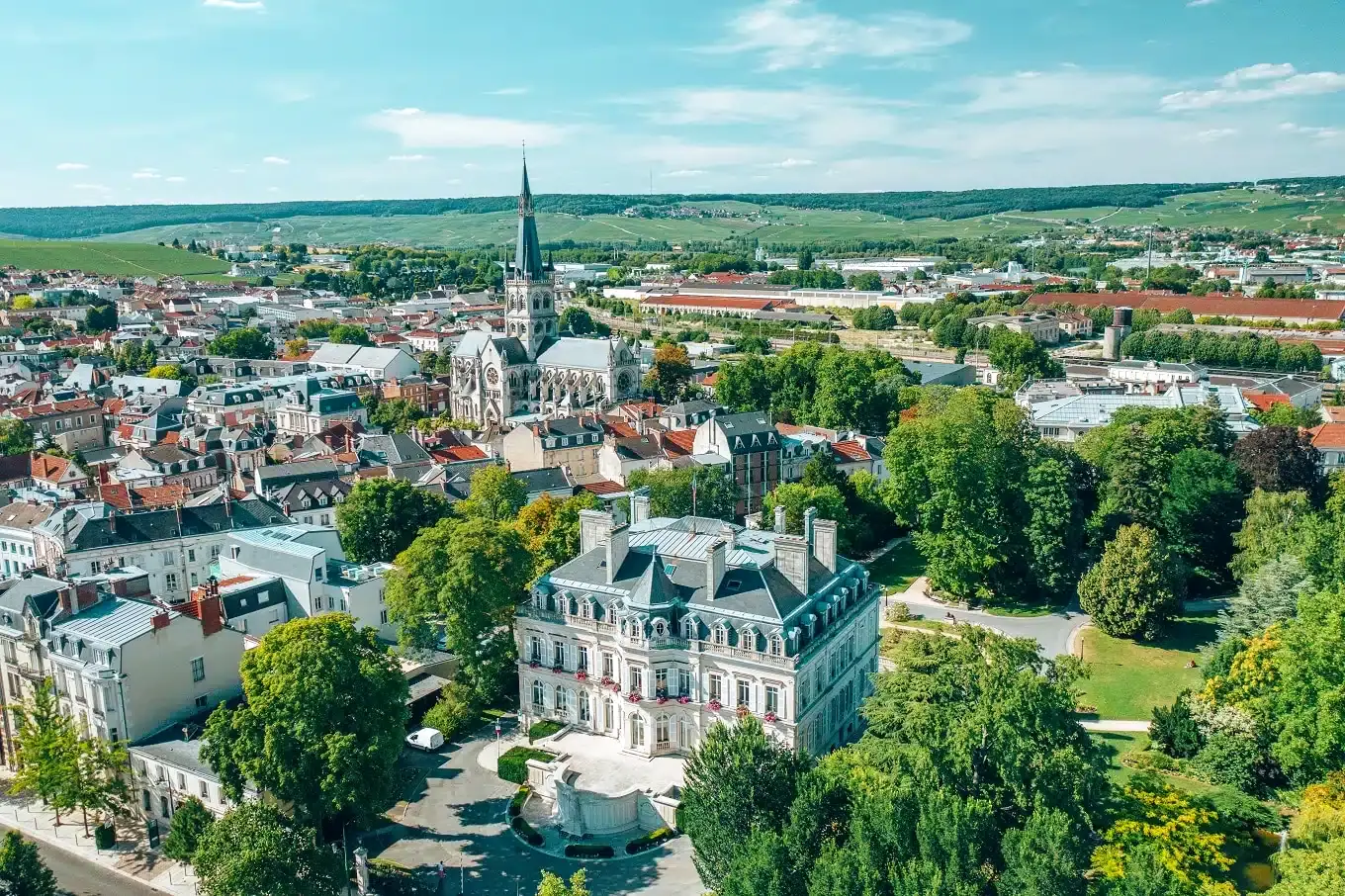
Château de Bligny is an impressive estate that rises majestically above the village of Bligny, built on the foundations of a feudal castle. The castle once belonged to the Marquis de Dampierre, who bought the estate in 1773 so that he could hunt wolves there. In the 19th century the estate was extended with the addition of a tower and further wings.
A château with a history
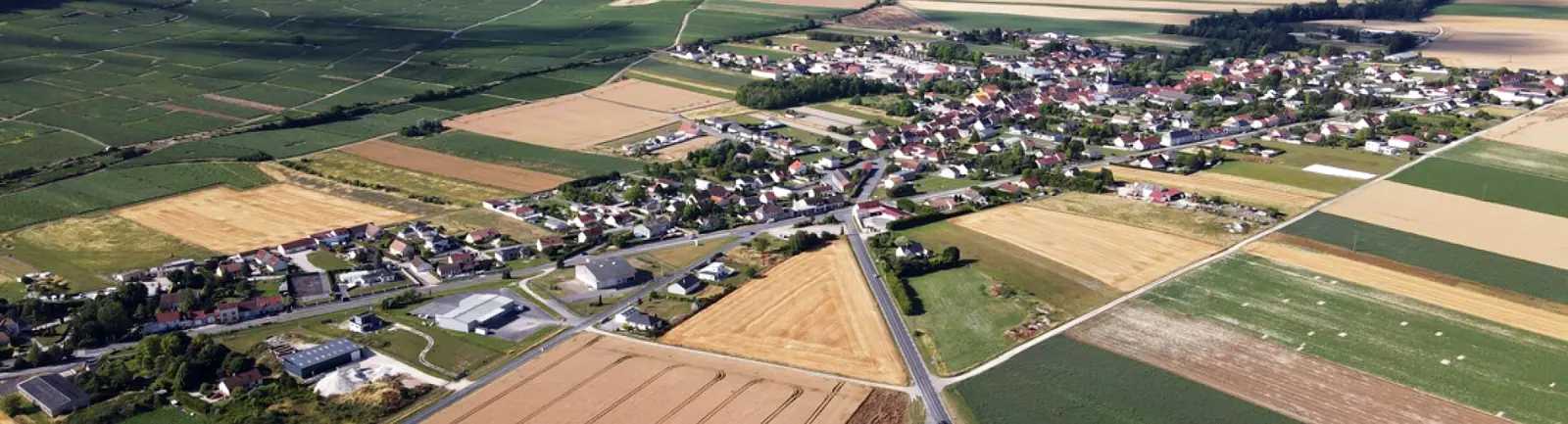
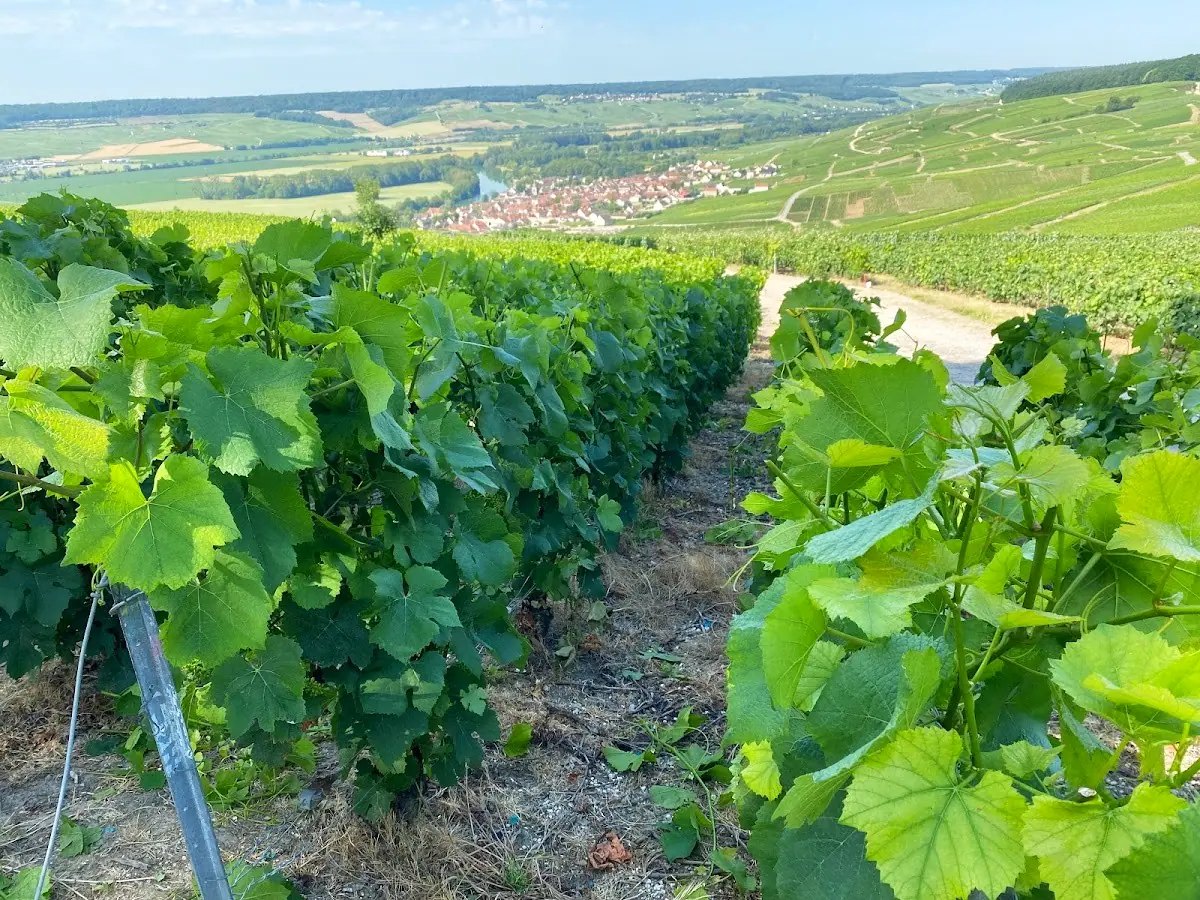
Château de Bligny lies at the foot of a hill and offers a picturesque view of the village and the Landion valley. The Landion, a small river, rises directly beneath the château's cellars and still supplies them with fresh water today. The imposing main gate comes from the feudal castle that was demolished in 1770 and is in the Louis XIII style. It is richly decorated with sculpted bunches of grapes and vine tendrils.
The origins of winegrowing in Bligny
The vineyards of Bligny have a long tradition that goes back to the Middle Ages. The Marquis de Dampierre, an important landowner and the owner of the Bligny glassworks, lived in the château and owned the surrounding vineyards. They mainly served to produce wine for the Marquis's own use, and the wine of that time was usually still.
Tragedy and rebuilding
In 1871 the Marquis de Dampierre suffered a heavy loss when his son fell at the front in the war. It was a severe blow for the family, and the decision to route the railway line not through Bligny but through nearby Bar-sur-Aube led to the glassworks moving to Bar. On top of this, the phylloxera infestation brought winegrowing in Bligny almost to a standstill.
The renaissance under Baron de Cachard
The rebuilding began in the early 19th century, when the château passed into the hands of Baron de Cachard. Louis XVIII raised him to the nobility and granted him the title of baron. Baron de Cachard recognised the region's potential and decided to plant a large vineyard. He also acquired the vineyards of the former priory of Sainte Eulalie, which had been founded around the year 1000. The vineyards he planted and bought form today's Château de Bligny estate. His efforts earned him the nickname "Gentleman Wine-maker".
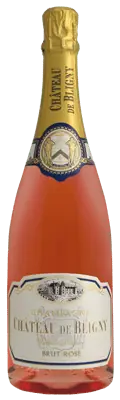
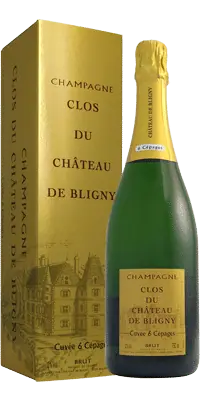
 Chateau de Bligny Champagner
The estate in the 20th century
By 1930 the vineyards of Château de Bligny covered 44 hectares. After the Second World War a gentleman from Tours, Monsieur Lefèvre, bought the estate in order to add champagne to his range. His plans were never fully carried out, however, and the estate was divided up. In 1952 the Lorin family acquired the vineyards in several parcels and replanted them in 1954.
The castle once belonged to the Marquis de Dampierre, who bought the estate in 1773 so that he could hunt wolves there.
Modern developments and a rebirth
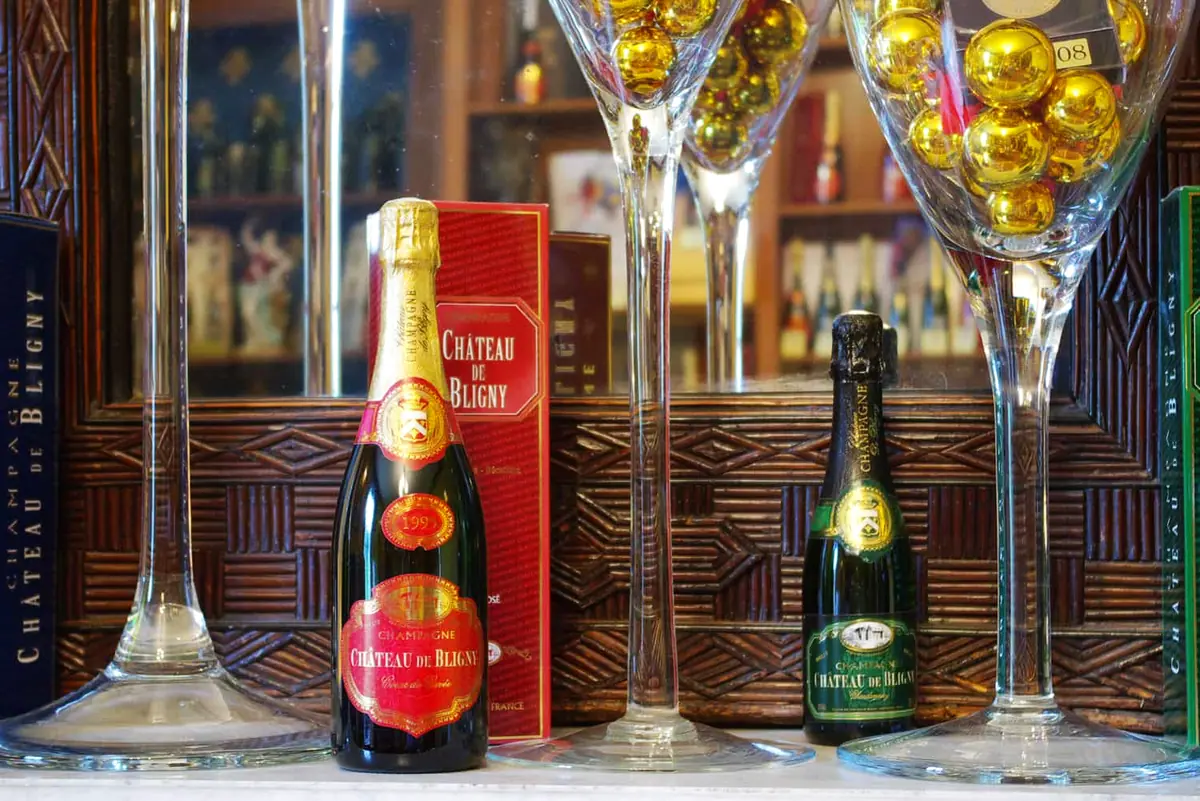
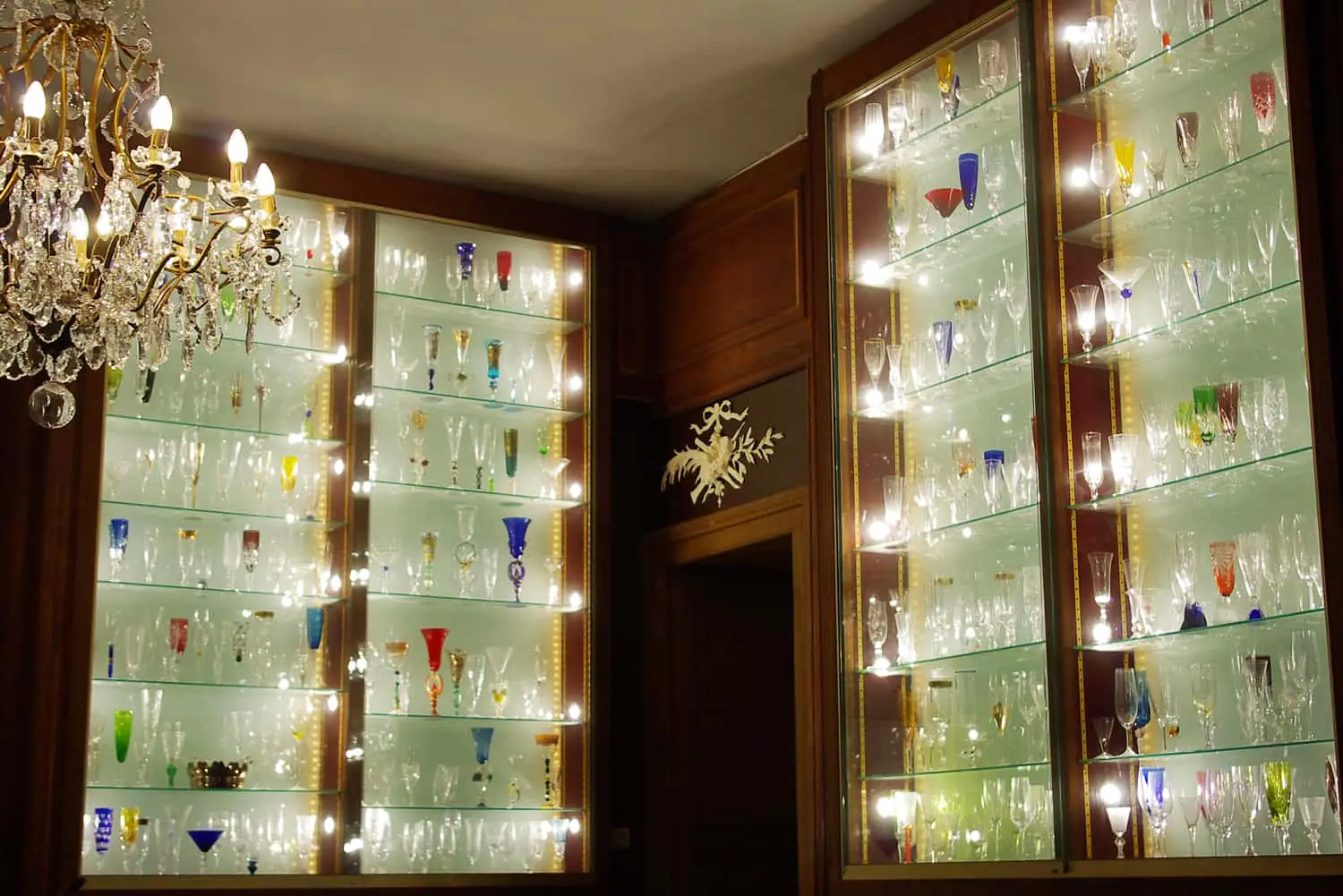
In recent decades Château de Bligny has undergone a remarkable rebirth, made possible by substantial investment in its production facilities. The château itself has been lovingly restored and has been open to the public since 1999. Visitors can tour the historic estate, an important part of both architectural and winegrowing heritage. The dining and reception rooms have kept their decorative woodwork and painted ceilings with putti and cherubs. An outstanding collection of a thousand champagne glasses, including pieces by Lalique and Daum, recalls the time when the village of Bligny was home, until 1881, to one of the largest crystal glassworks in the Aube.
Château de Bligny today
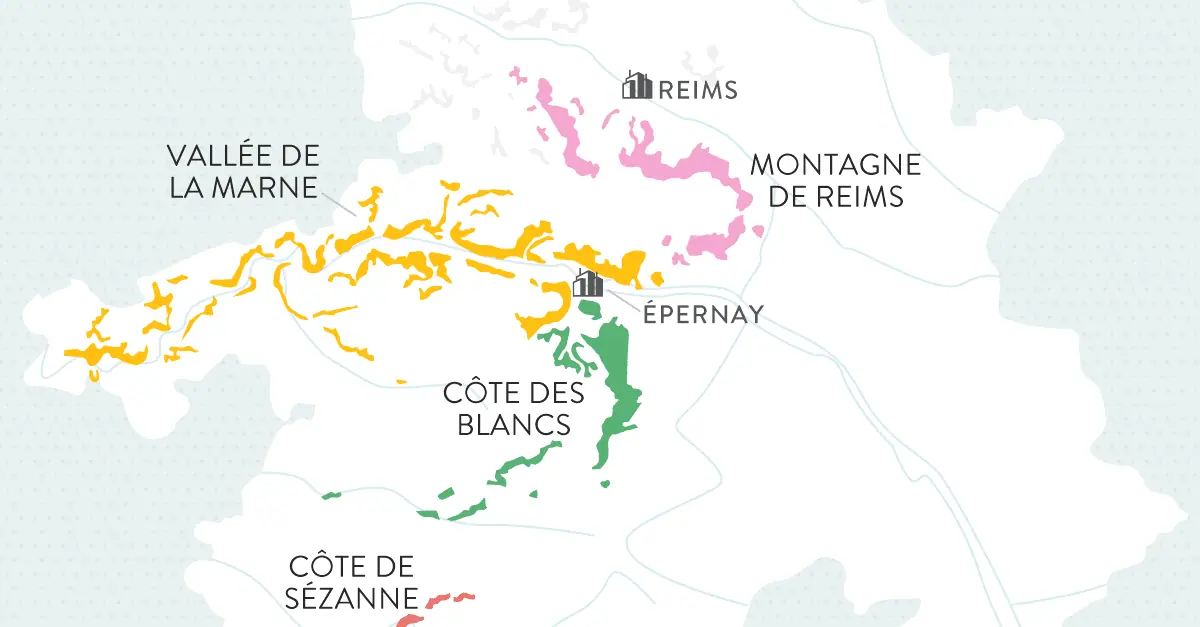
Today Château de Bligny is one of the well-regarded estates of the Champagne region. The vineyards cover a considerable area and benefit from the excellent climate and geology of the region. The estate produces a range of champagnes known for their quality and elegance.
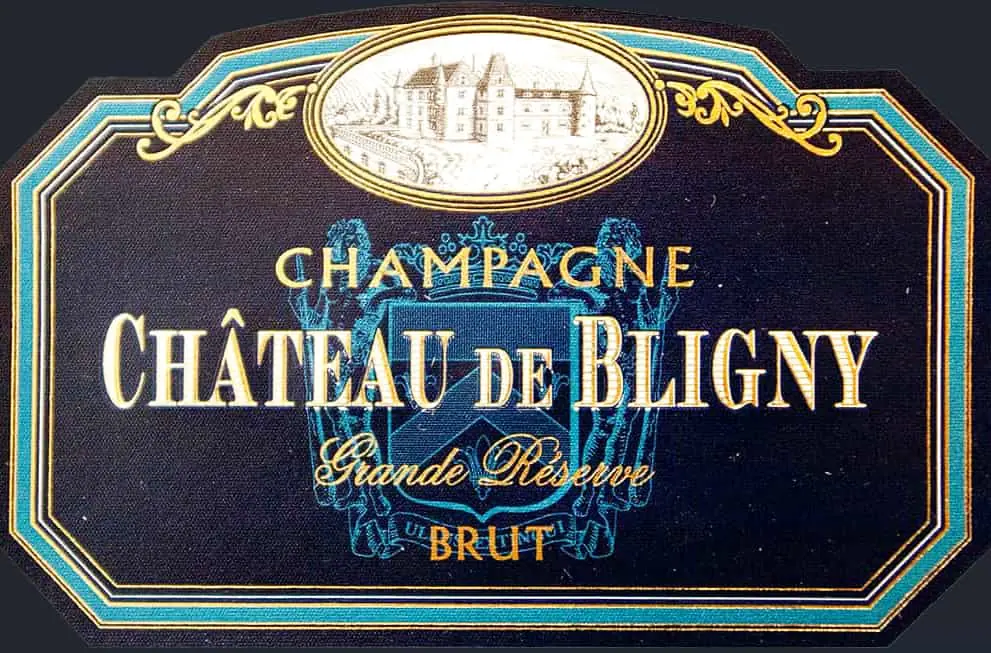
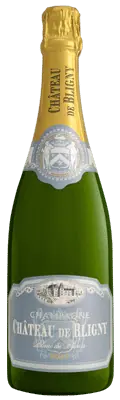
The house's best-known champagne is the Château de Bligny Brut, an excellent representative of the brand. It stands out for its fine mousse and complex aromas of citrus fruit, white flowers and a hint of brioche. It is made by traditional methods and ages for several years in the château's cellars before going on sale.
Current vineyard sites and the headquarters
The vineyards of Château de Bligny now cover about 30 hectares, planted mainly with Pinot Noir, Chardonnay and Pinot Meunier. These classic champagne grape varieties thrive particularly well on the chalky soils of the region and contribute to the high quality of the wines.
The headquarters of Château de Bligny are still in the historic château, which is notable for its splendid architecture and rich history. The château is not only a place of production but also a centre of hospitality. Visitors can join tours of the vineyards and cellars and learn more about the art of making champagne.

Plans for the future
A special highlight for visitors will be the planned "clos", a walled vineyard plot to be created on the extensive grounds of Château de Bligny. This "clos" will let visitors follow the different stages of the vines' growth at close quarters and gain a deep insight into the work of the winegrowers.
Conclusion
Château de Bligny is a fascinating example of tradition and modernity coming together in winegrowing. With its rich history, first-class wines and impressive estate, it draws wine lovers from all over the world. Its commitment to quality and to caring for its cultural heritage make Château de Bligny an outstanding representative of the Champagne region and a must for every wine lover.
Pictures

 0 %
