
Riddling rack (pupitre)
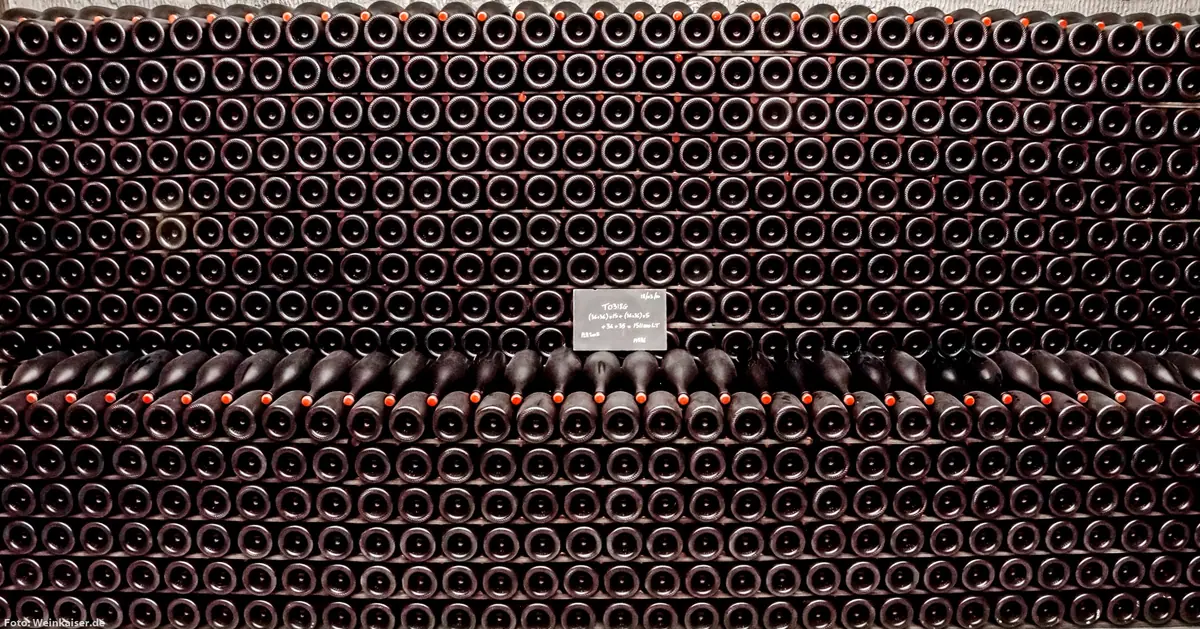
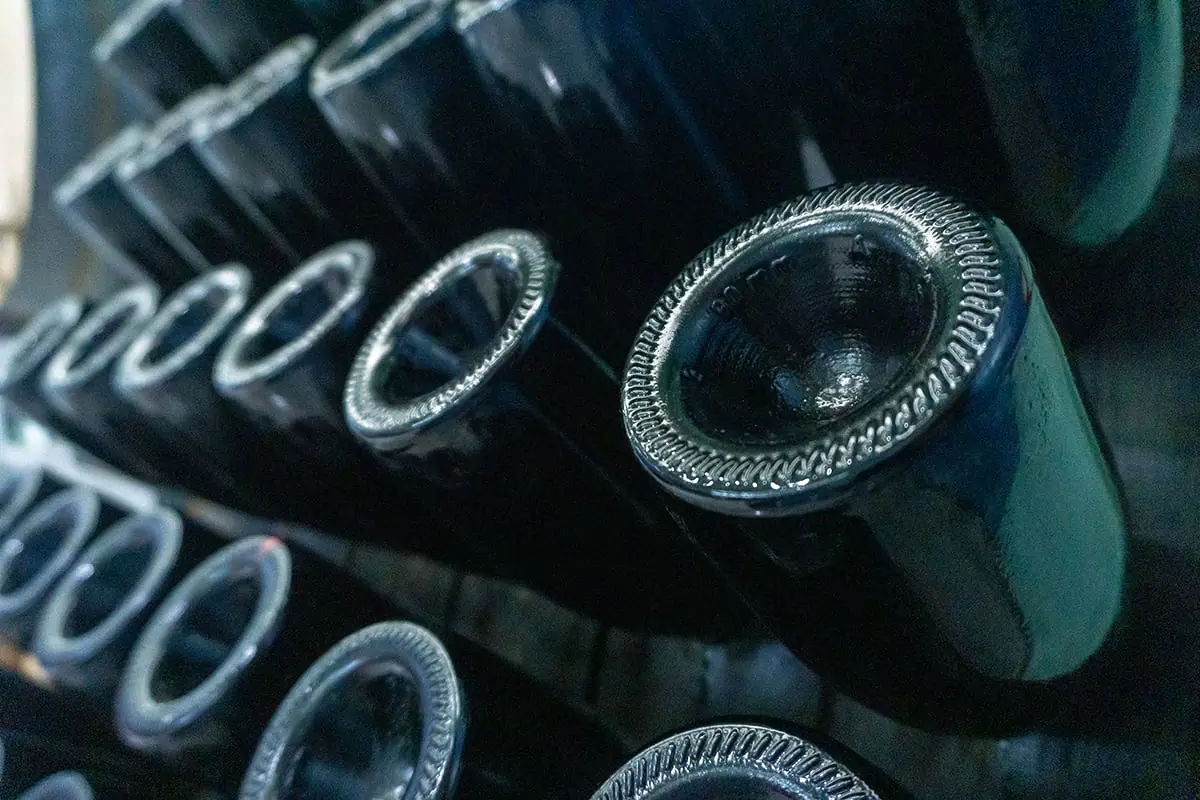
The riddling rack, or pupitre, is a wooden frame with holes in which bottles sit at an angle, neck down, and are turned and tilted a little each day. This gathers the yeast sediment against the cork.
Read onHouses and growers, great vintages, places of Champagne and a glossary with 171 terms. To browse, marvel at and join the conversation.
From vine to glass: here you will find everything there is to know about champagne, and plenty you don't need to know but will love to tell.
 7 topicsKnowledgeWine region, grape varieties, history, labels and capsules
 3 topicsHouses and growers52 houses, over 400 growers and more than 1,100 champagnes
 DiscoverVintagesGreat and difficult years since 1815
 3 topicsEnjoymentServing, storing, cooking
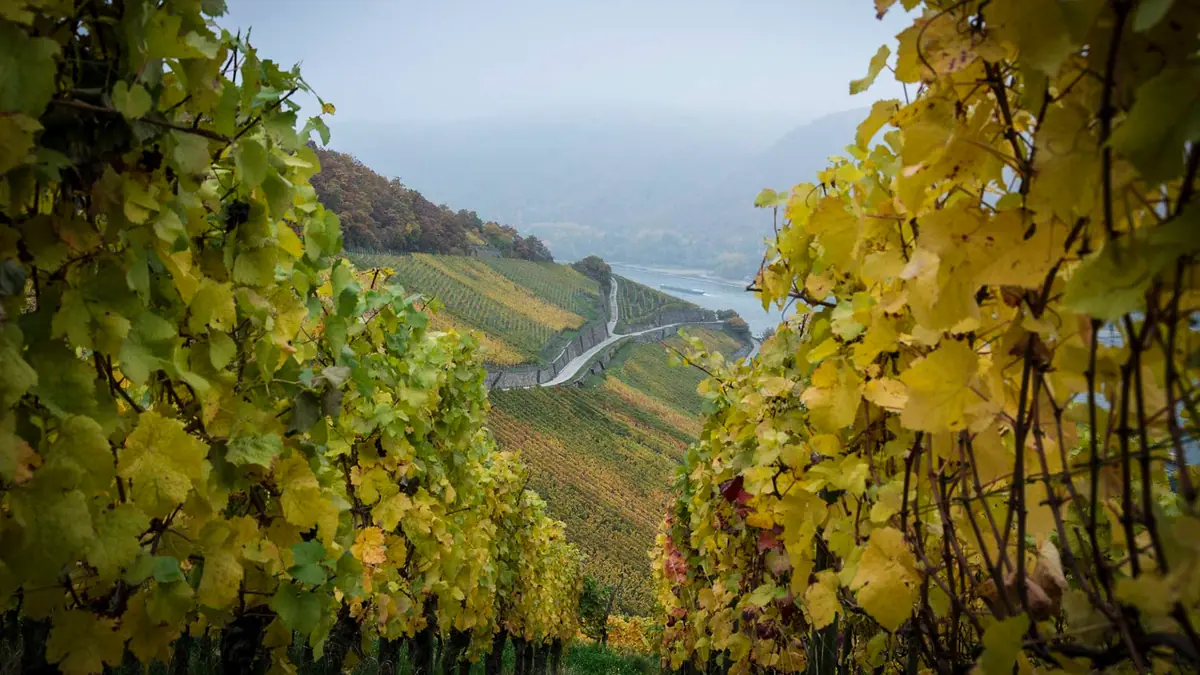 DiscoverGlossary171 terms and 256 places from A to Z
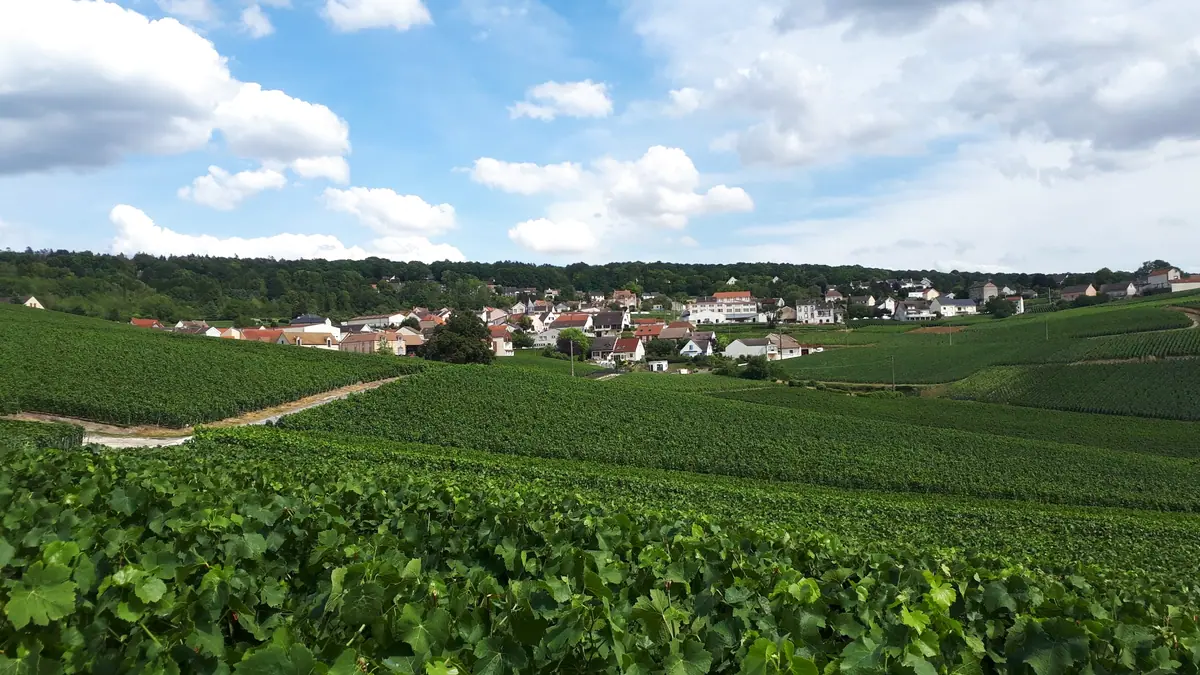 DiscoverPlaces & Travel256 places with map and pictures
"I drink champagne when I'm happy and when I'm sad."Lily BollingerMore quotes
Three questions, ten seconds. Then you will know which style suits your occasion, how cold it should be and which houses do it particularly well.
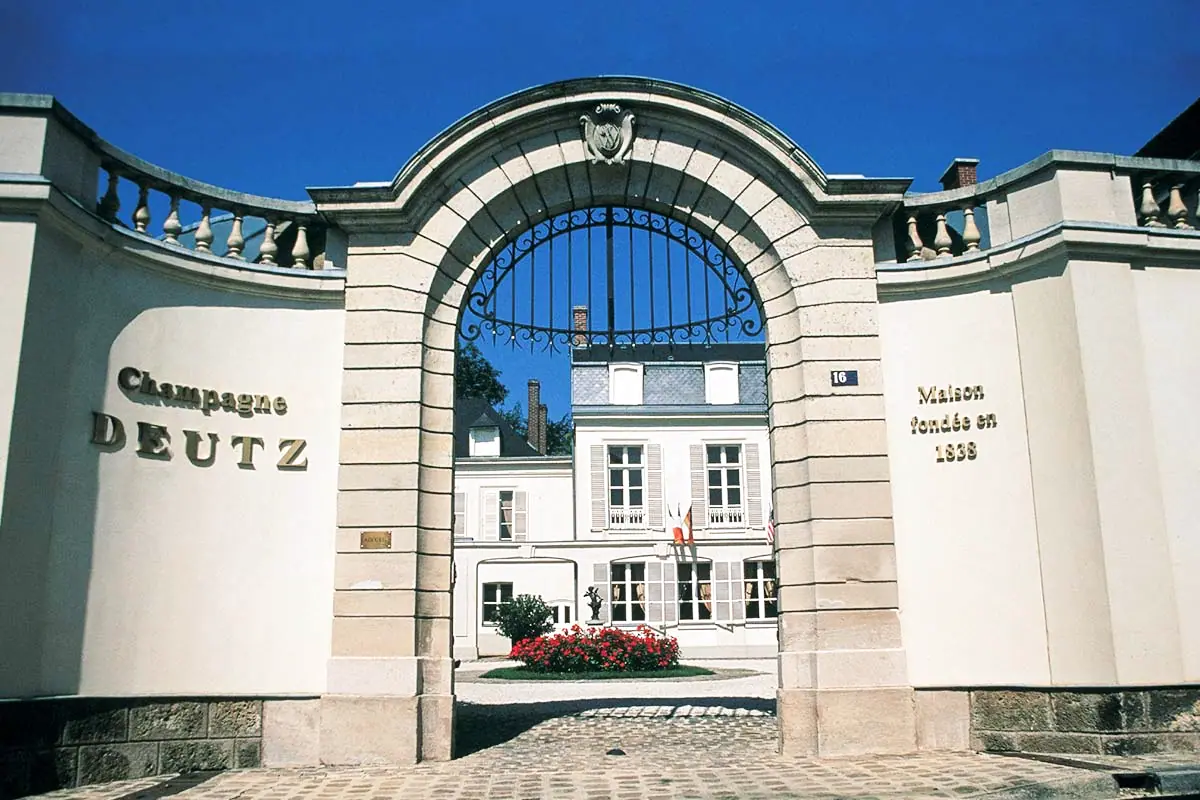 Deutz
 since 1822Bauget-Jouette
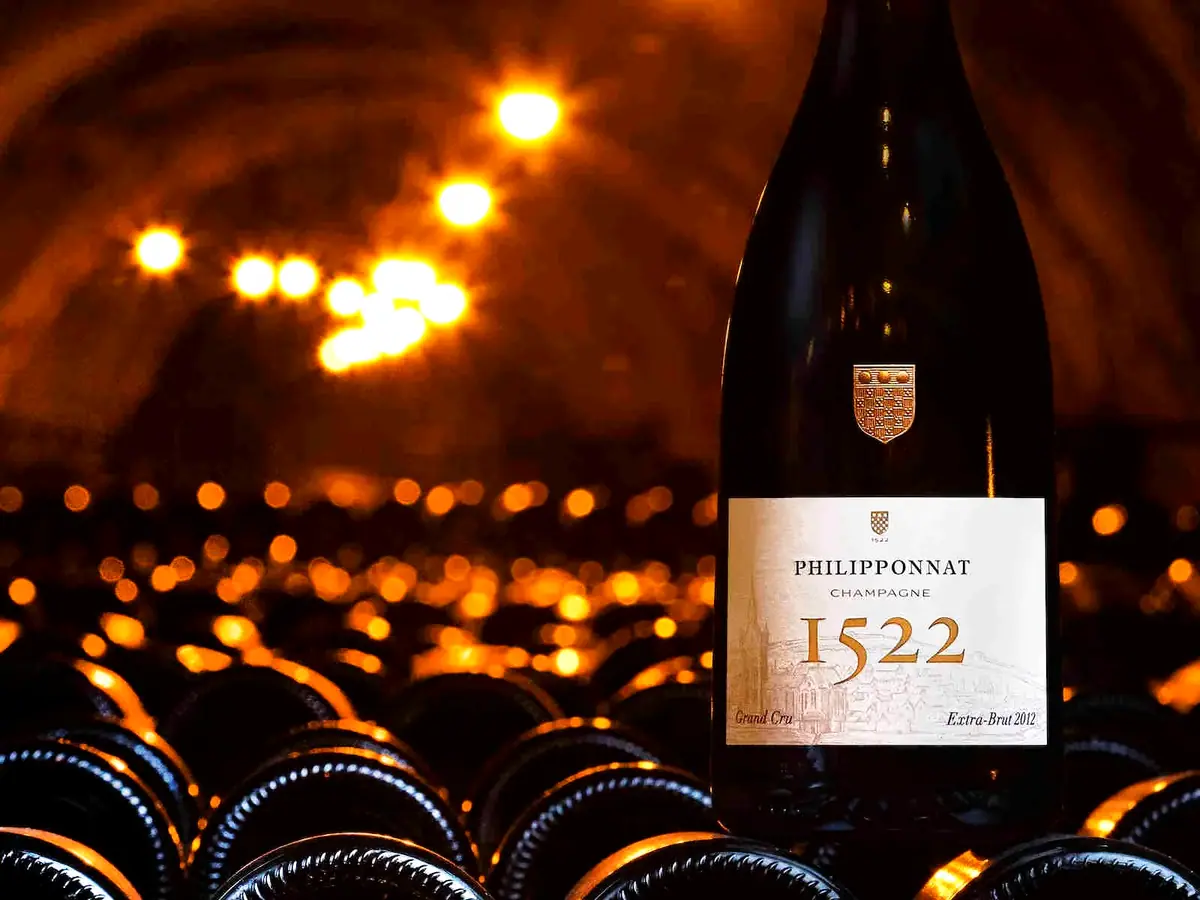 since 1910Philipponnat
 since 1843Besserat de Bellefon
 since 1827G. H. Mumm
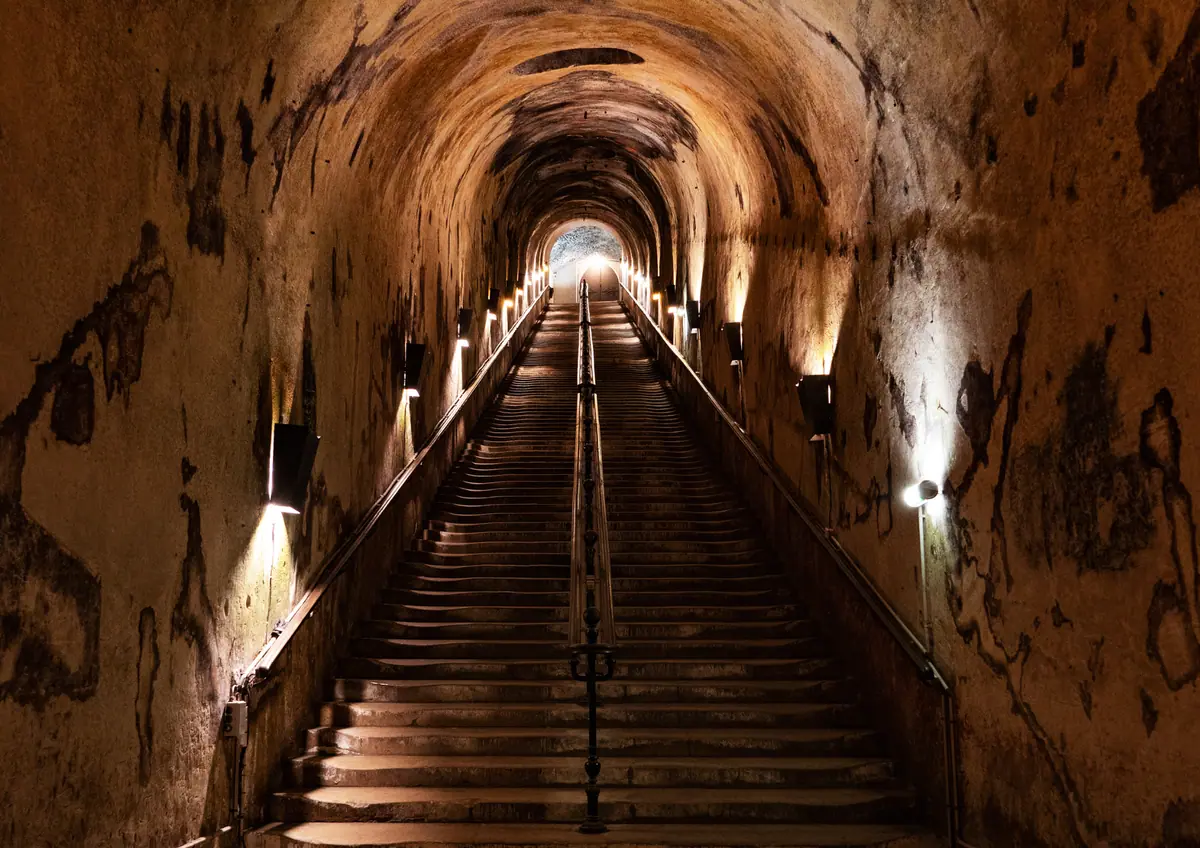 since 1979Vranken
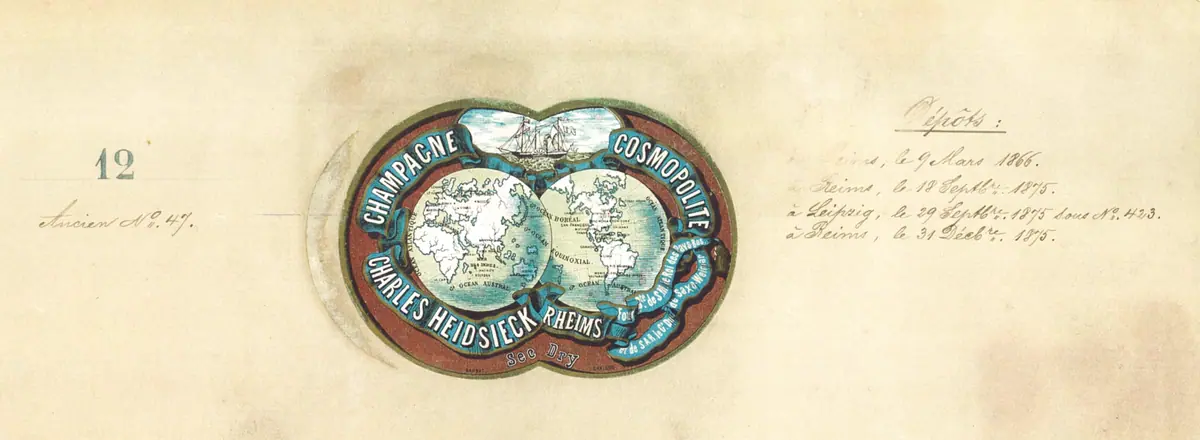 since 1851Charles Heidsieck
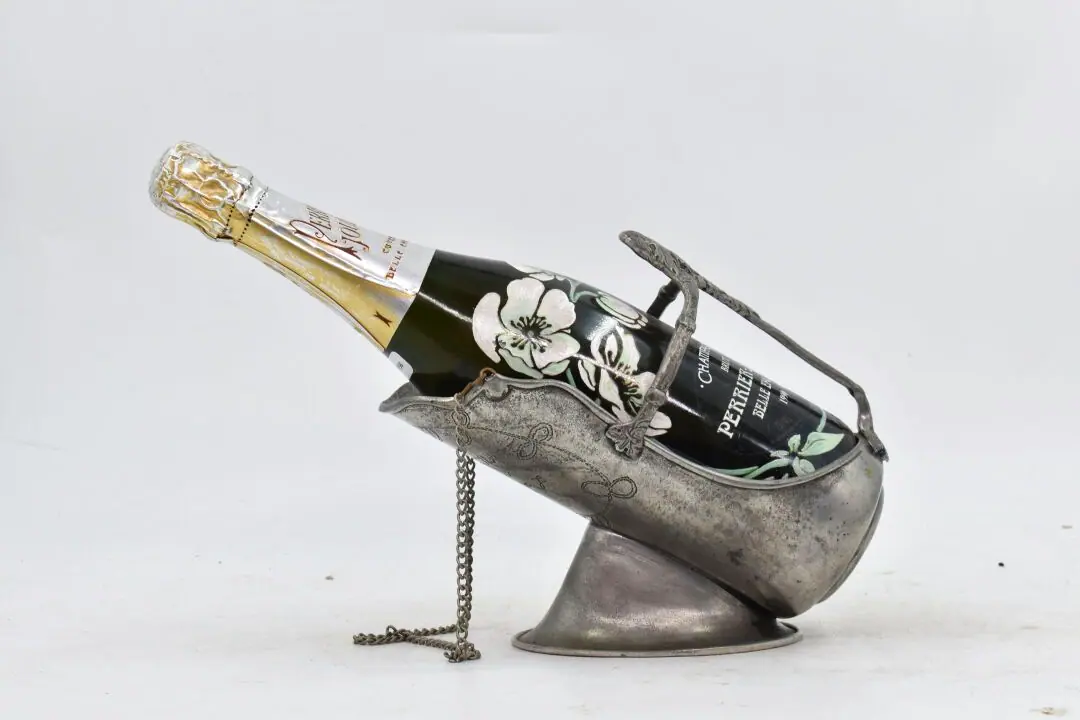 since 1811Perrier-Jouët
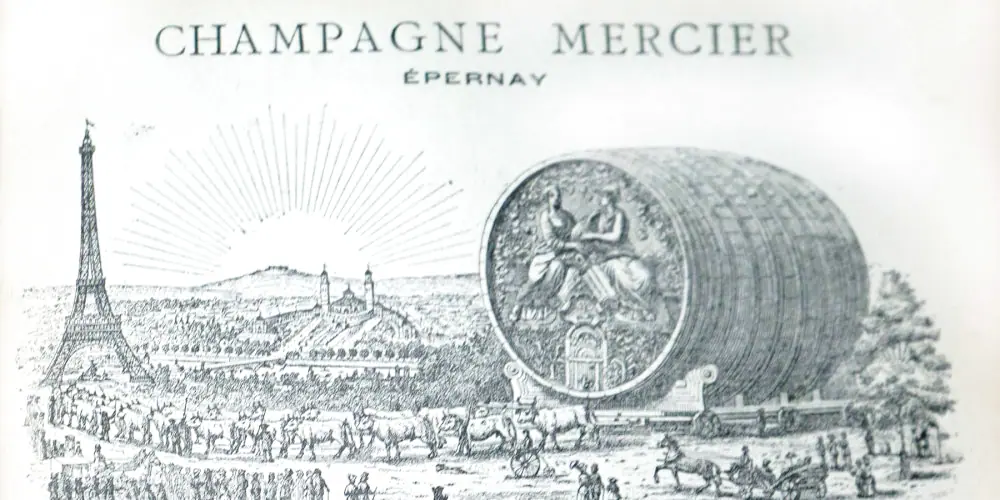 since 1858Mercier
 since 1776Louis Roederer
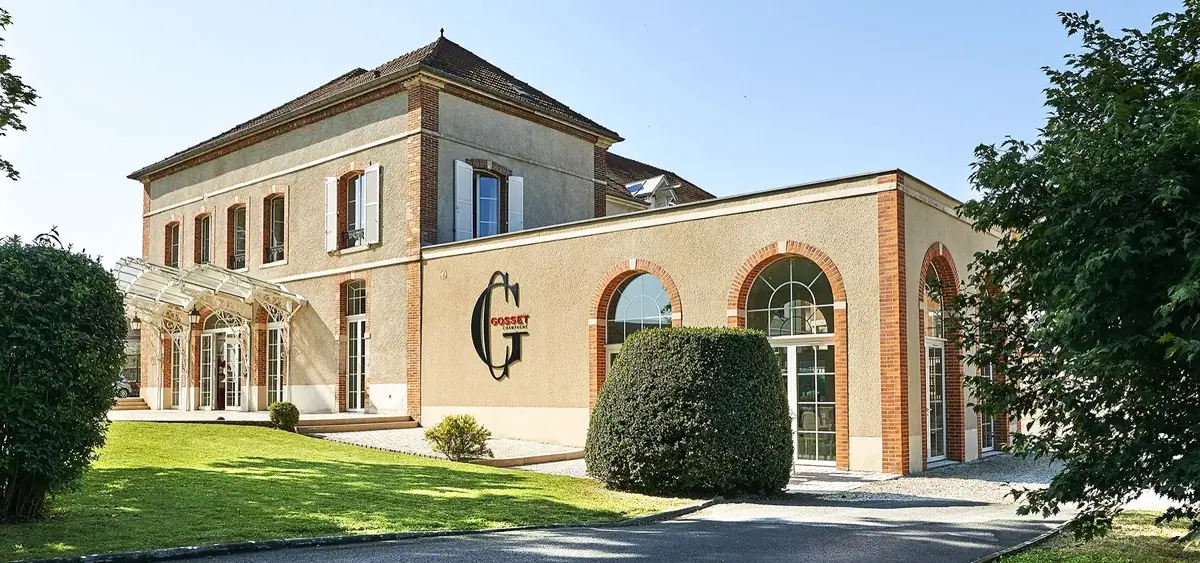 since 1584Gosset
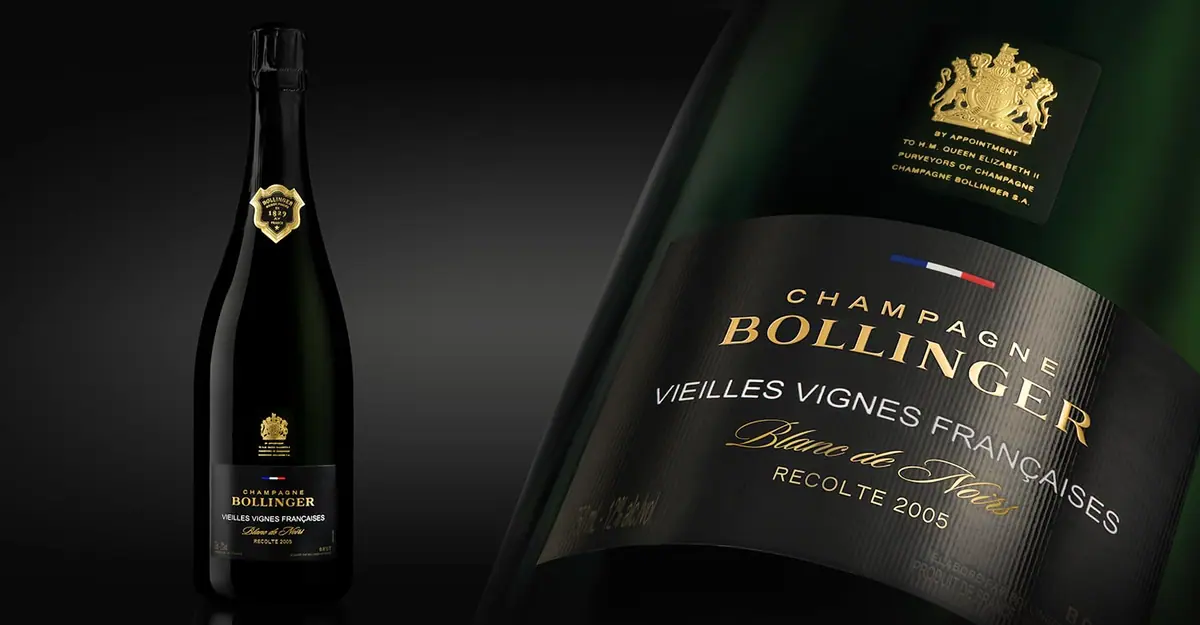 since 1829Bollinger
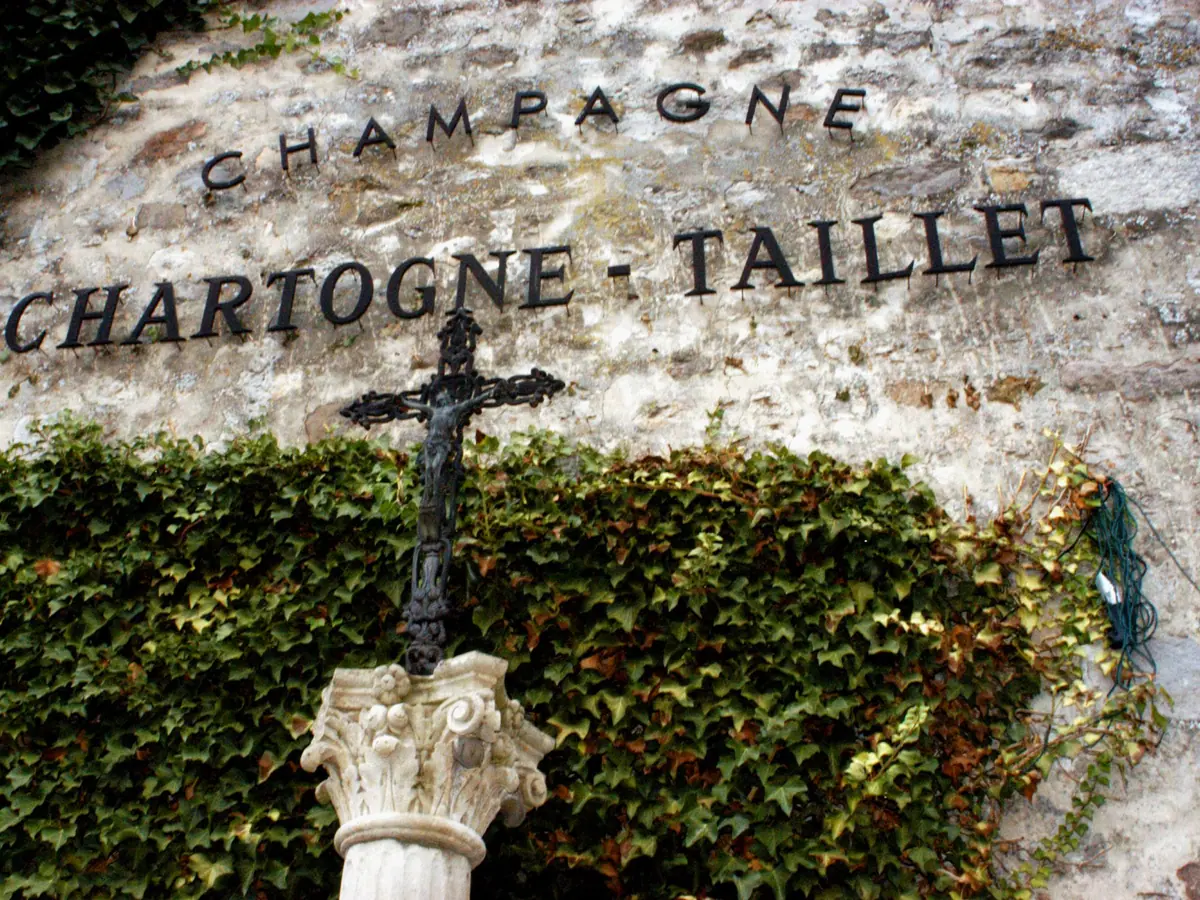 since 1683Chartogne-Taillet
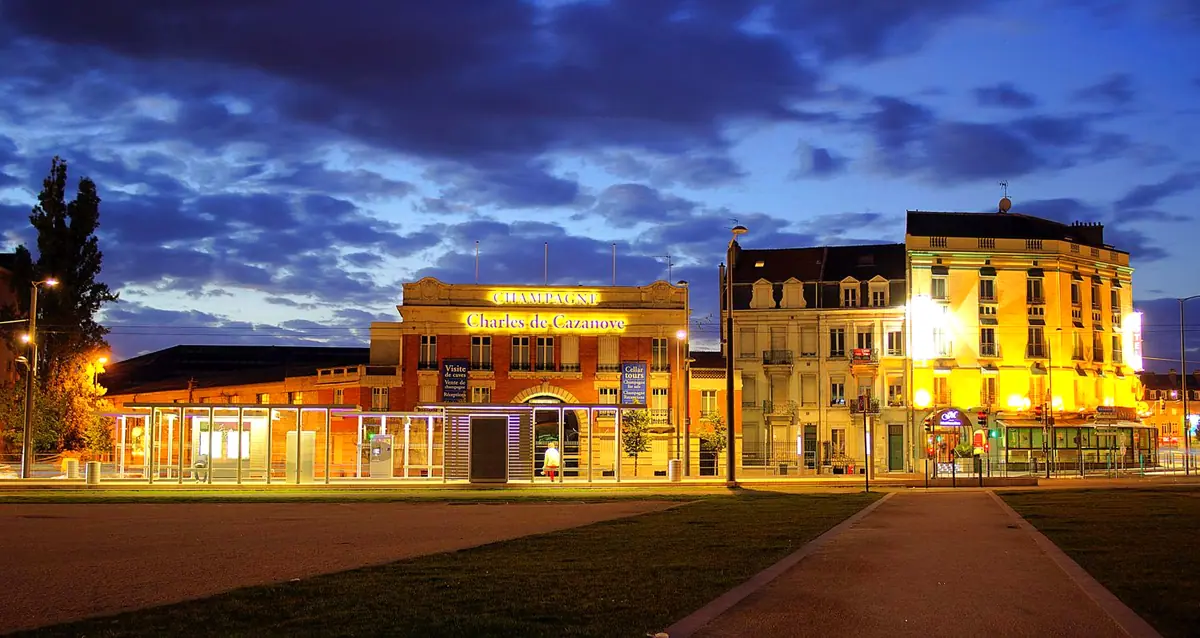 since 1811Charles de Cazanove
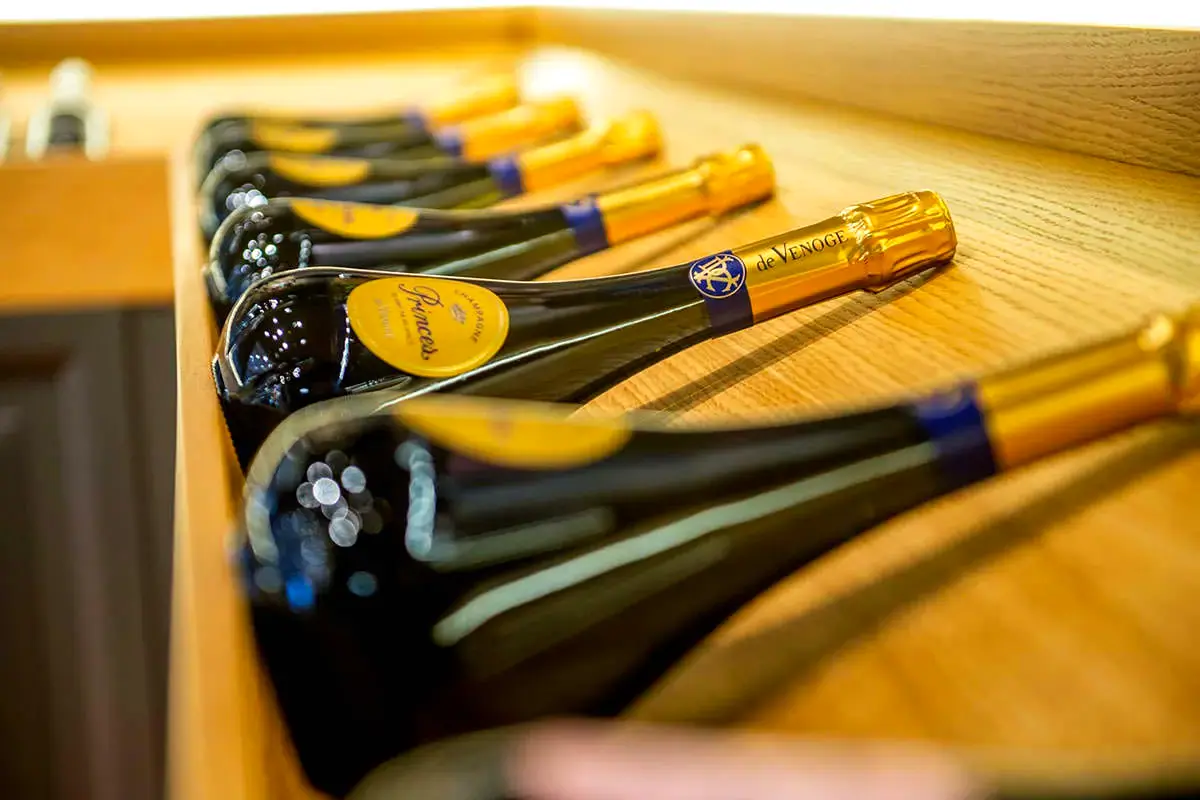 since 1837De Venoge
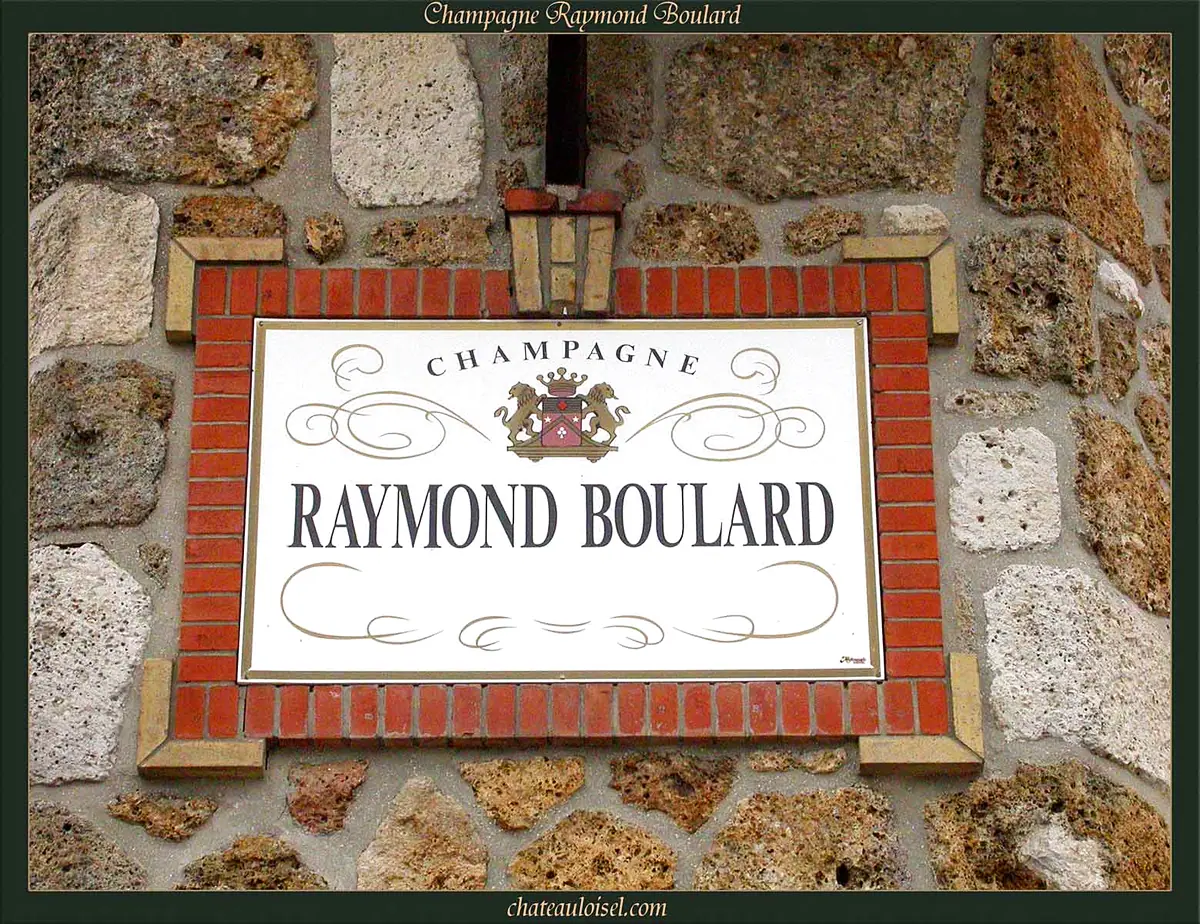 since 1956Raymond Boulard
Everyone knows the big names. The soul of Champagne lies in the family estates: in Bouzy, Aÿ, Avize or Les Riceys, often for generations.
 R. Dumont Et FilsChampignol Lez Mondeville
 Etienne OudartBrugny Vaudancourt
 Pierre Moncuitle Mesnil sur Oger
 Camille SavesBouzy
 Forget CheminLudes
 Michel FagotRilly la Montagne
 Daniel LeclercPolisot
 BelinEssomes sur Marne
 Alain BoutillatMorangis
 De Saint GallAvize
 PannierChâteau-Thierry
 Fay-BerjotBarzy sur Marne
From brut to the 30-litre Melchisedech: every bottle with its style, size, price range and its own description.
 BottleBillecart-SalmonVintage 2009VintageBouteille · 0.75 l€€
 BottlePhilipponnatClos des Goisses 2011 casketVintageBouteille · 0.75 l€€€
 BottleDe VenogeCuvée Louis XV 2012VintageBouteille · 0.75 l€€€
 BottleTaittingerComtes de Champagne Blanc de Blancs 2008Blanc de BlancsBouteille · 0.75 l€€€€FleuryBottleFleurySonate 2012VintageBouteille · 0.75 l€€Leclerc BriantBottleLeclerc BriantGrand Blanc 2014VintageBouteille · 0.75 l€€€
 BottleCanard DucheneCuvée Léonie RoséRoséBouteille · 0.75 l€AR LenobleBottleAR LenobleCuvée Gentilhomme Grand Cru Blanc de Blancs 2013Blanc de BlancsBouteille · 0.75 l€€ApollonisBottleApollonisMonodie Meunier Vieilles Vignes 2010VintageBouteille · 0.75 l€€




Move the slider and see how big champagne bottles can get, and how many glasses fit inside.
Set the number of guests and the duration, and the calculator tells you how many bottles and glasses you need, and whether a magnum is worth it.
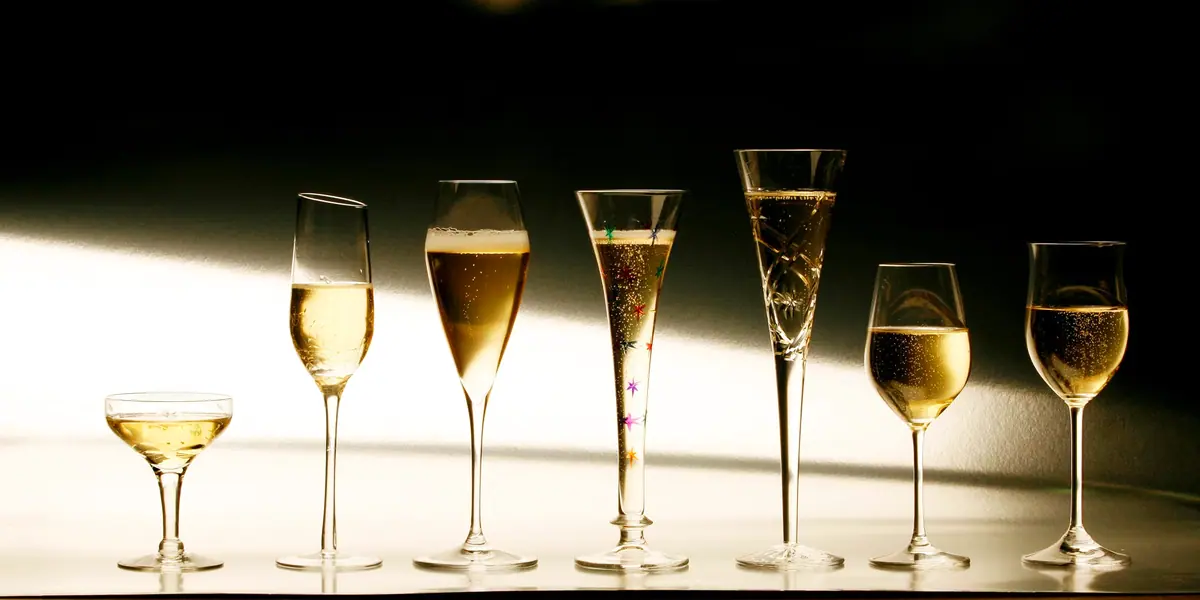
Rule of thumb: six glasses per bottle, two glasses per guest in the first hour, then one per hour.
The riddling rack, or pupitre, is a wooden frame with holes in which bottles sit at an angle, neck down, and are turned and tilted a little each day. This gathers the yeast sediment against the cork.
Read onAll 17 grands crus, the loveliest premiers crus, Reims and Épernay. With a map, pictures and history, for your next trip or your next glass.
To the map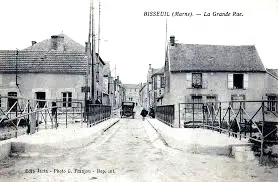 Premier CruBisseuilBisseuil is a premier cru village of around 637 inhabitants in the Montagne de …
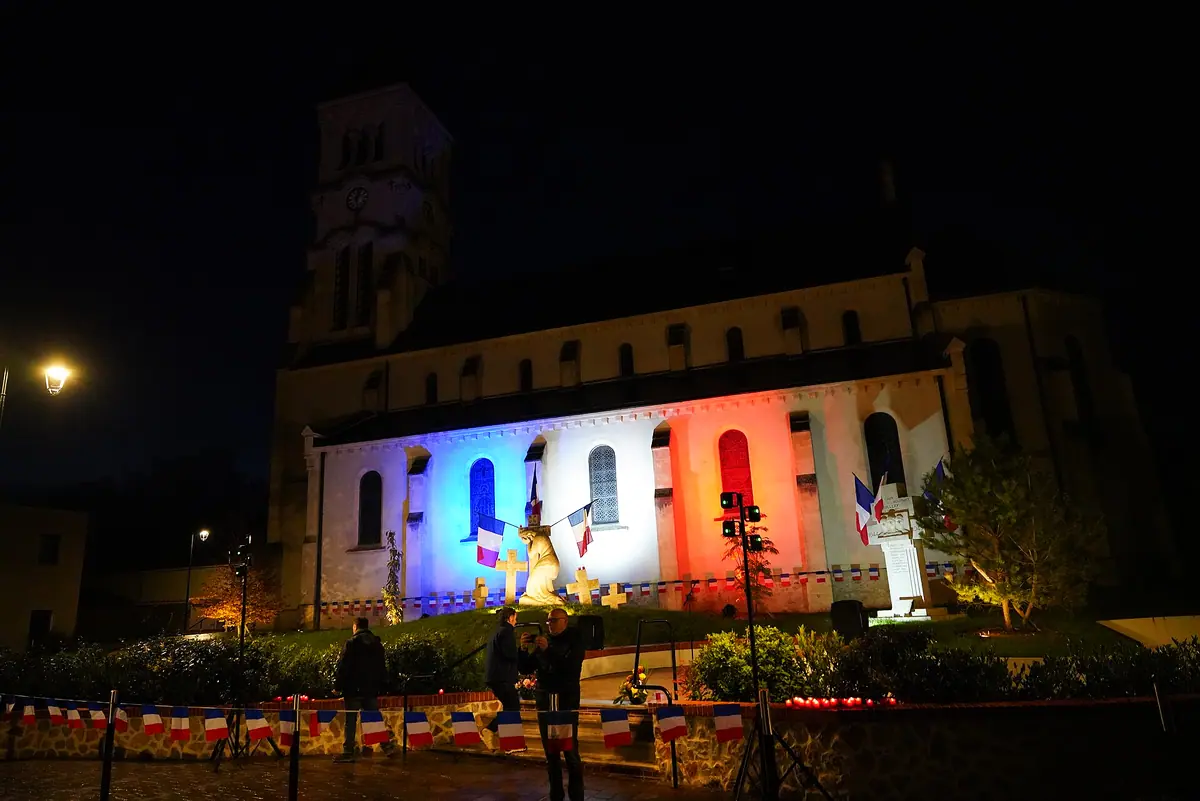 Grand CruSillerySillery is a commune in the Marne département, south-east of Reims, on the …
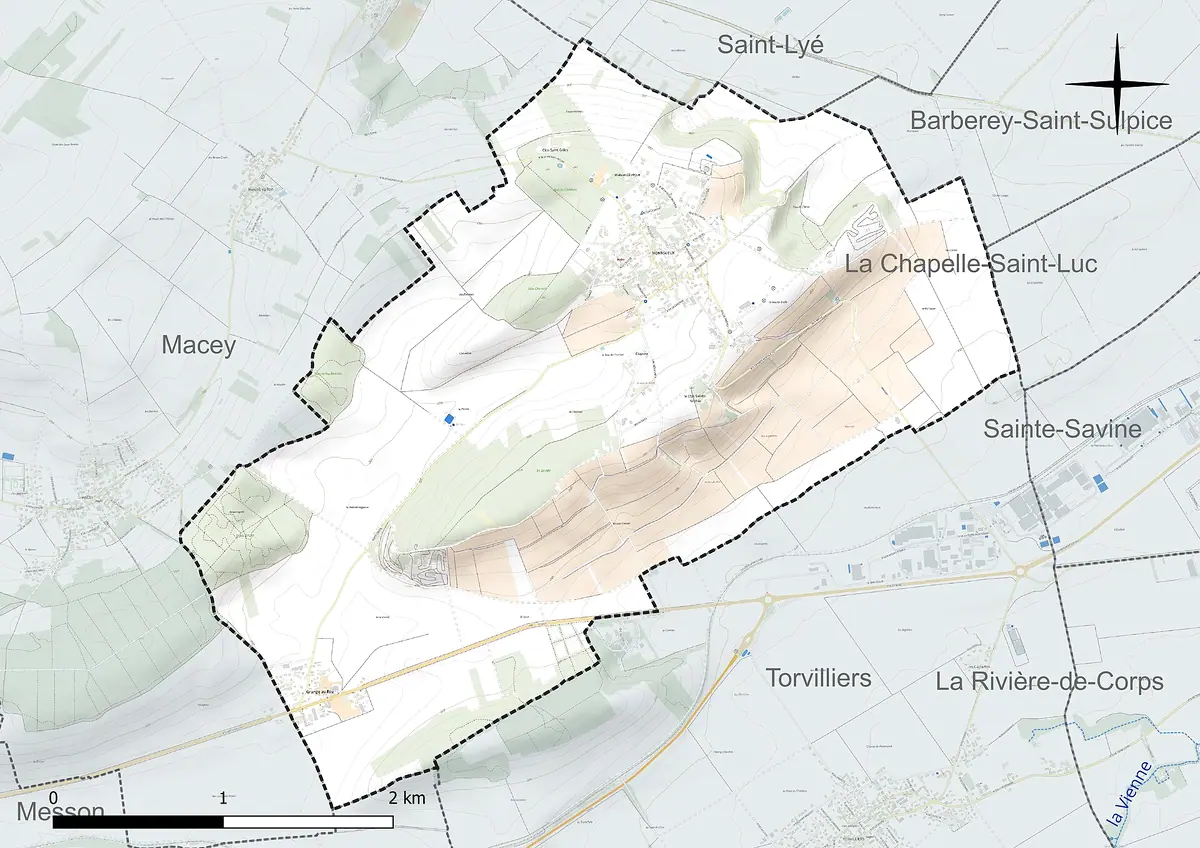 MontgueuxMontgueux is a wine village in the Aube département, on a hill near Troyes.
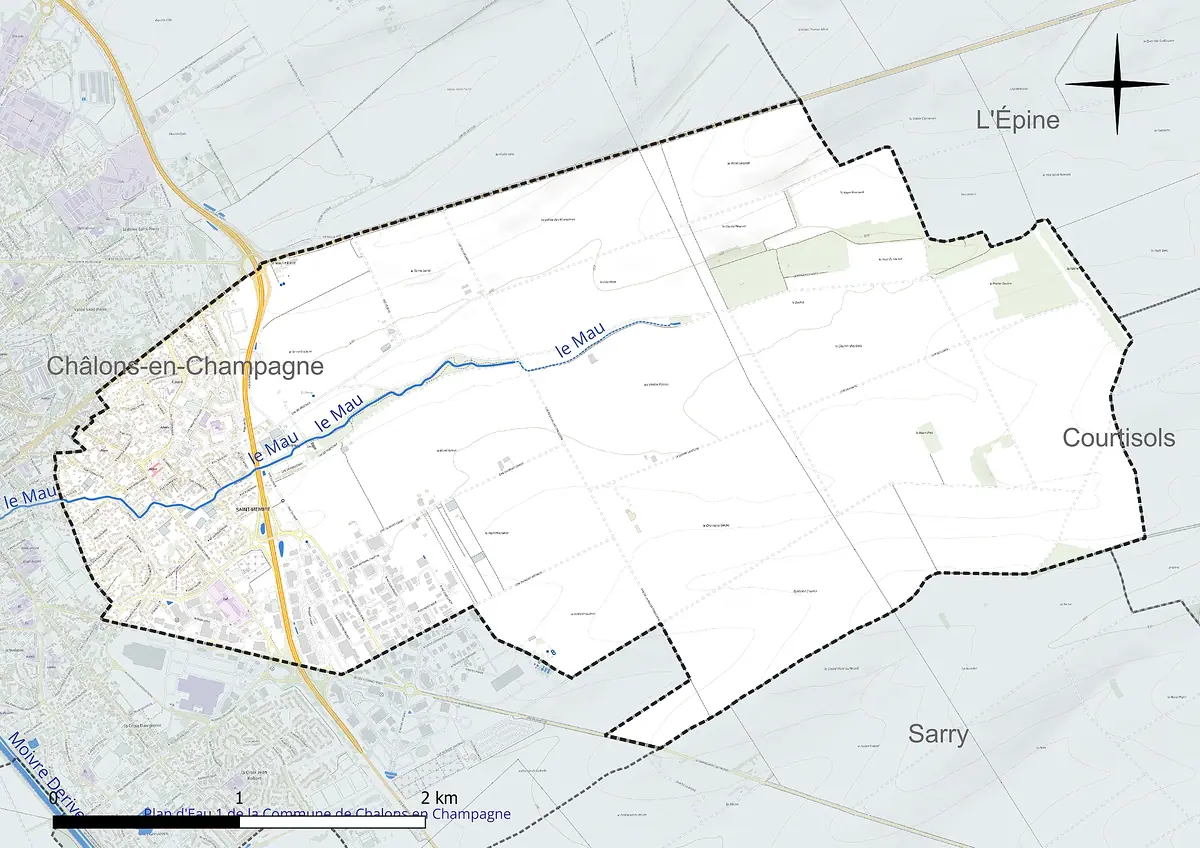 Saint-MemmieSaint-Memmie is a suburban commune to the south-east of Châlons-en-Champagne in …
Choose a level. You will see the sugar content, the taste and what goes with it.
Bone dry, pure and mineral
Pairs with: Oysters, mussels, sashimi
More in the glossaryVery dry, taut and clear
Pairs with: Raw fish dishes, ceviche
More in the glossaryDry, the classic
Pairs with: Aperitif, seafood, Parmesan
More in the glossaryMedium dry, soft
Pairs with: Asian cuisine with a little heat
More in the glossarySweet, fruity
Pairs with: Foie gras, fruit desserts
More in the glossarySweet, now rare
Pairs with: Cakes, tarts, patisserie
More in the glossaryFind the pairs. All the capsules come from our own collection.
0 Notes ·
Cheers! All pairs found. More about capsules
Grown over 16 years, with many pictures of my own, written out of love for champagne.
On the following pages you will find detailed descriptions of the 50 most important champagne brands. These are among the most significant and most widely available champagnes on the market. If you miss a brand, or if you run a champagne house that we have not described, or have perhaps described incorrectly, we would be glad to hear from you.
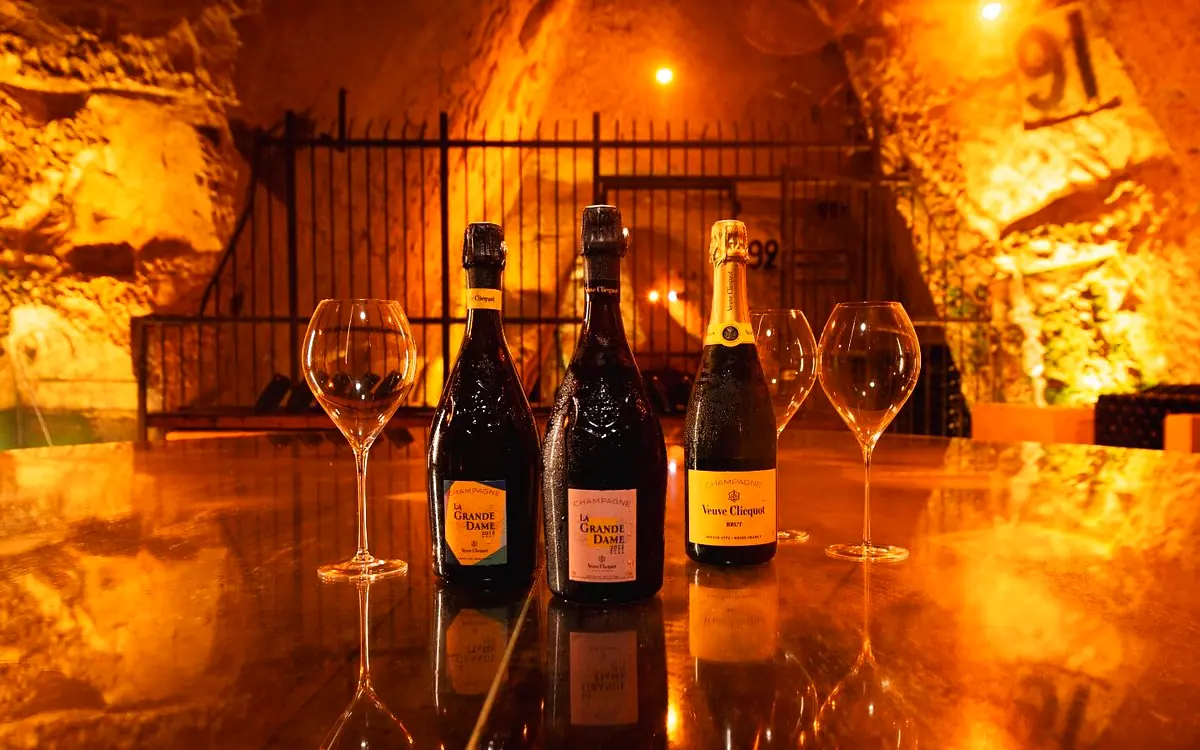 Veuve Clicquot Champagner
Champagne, the noble sparkling wine, comes from the renowned Champagne wine region in France. Its production follows strict, fixed rules that ensure every drop meets the highest quality standards. In French the wine is called "vin de Champagne", while in German it simply falls into the category of sparkling wines.
 Abgang
Champagne is the ultimate luxury drink for festive occasions the world over. It is regarded as one of the finest drinks there is, and no first-class event is complete without it. Its uniqueness and elegance make it the preferred choice for special celebrations and important moments.
 Chanoine Frères Champagner
The special sparkle of champagne comes from a second fermentation, known as the "méthode traditionnelle" or "méthode champenoise". In this process the carbon dioxide is produced naturally, which creates the characteristic bubbles.
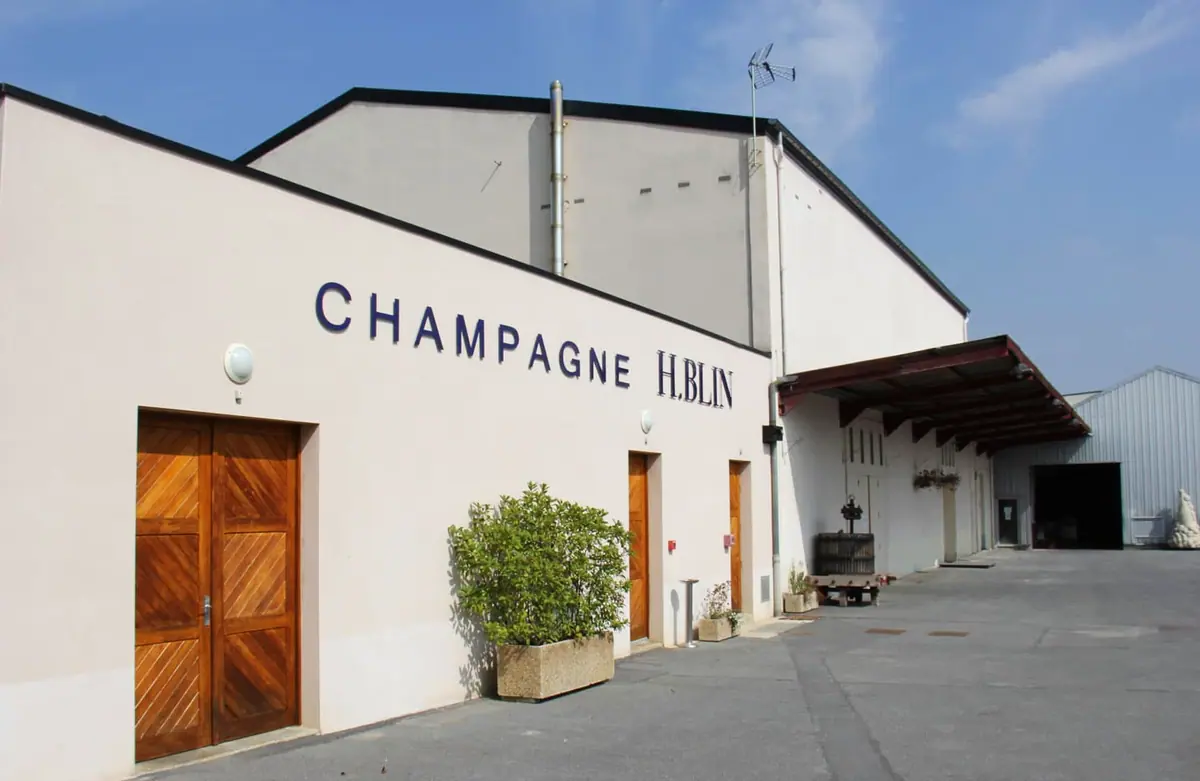 Champagner H.Blin
Only sparkling wine made according to the strict rules of the "méthode traditionnelle" or "méthode champenoise", from grapes grown in Champagne, may call itself champagne. The entire production process must also take place in the Champagne region. These requirements are set out in the French Appellation d'Origine Contrôlée (AOC), which guarantees the protection and authenticity of champagne.
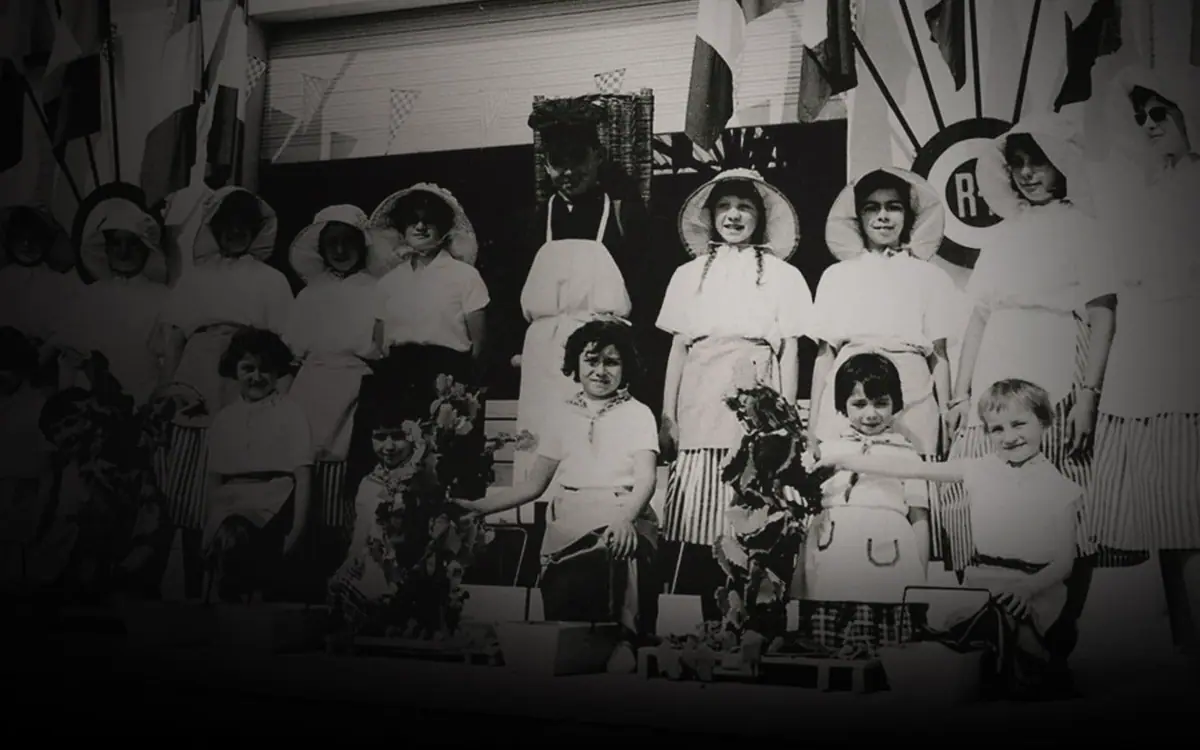 Beaumont des Crayeres Champagner Historie
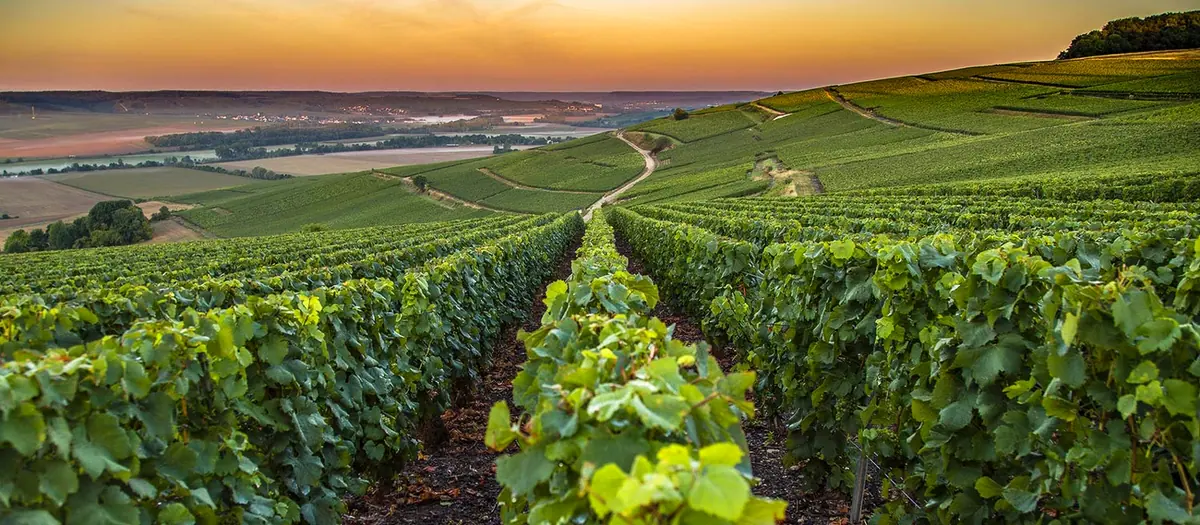
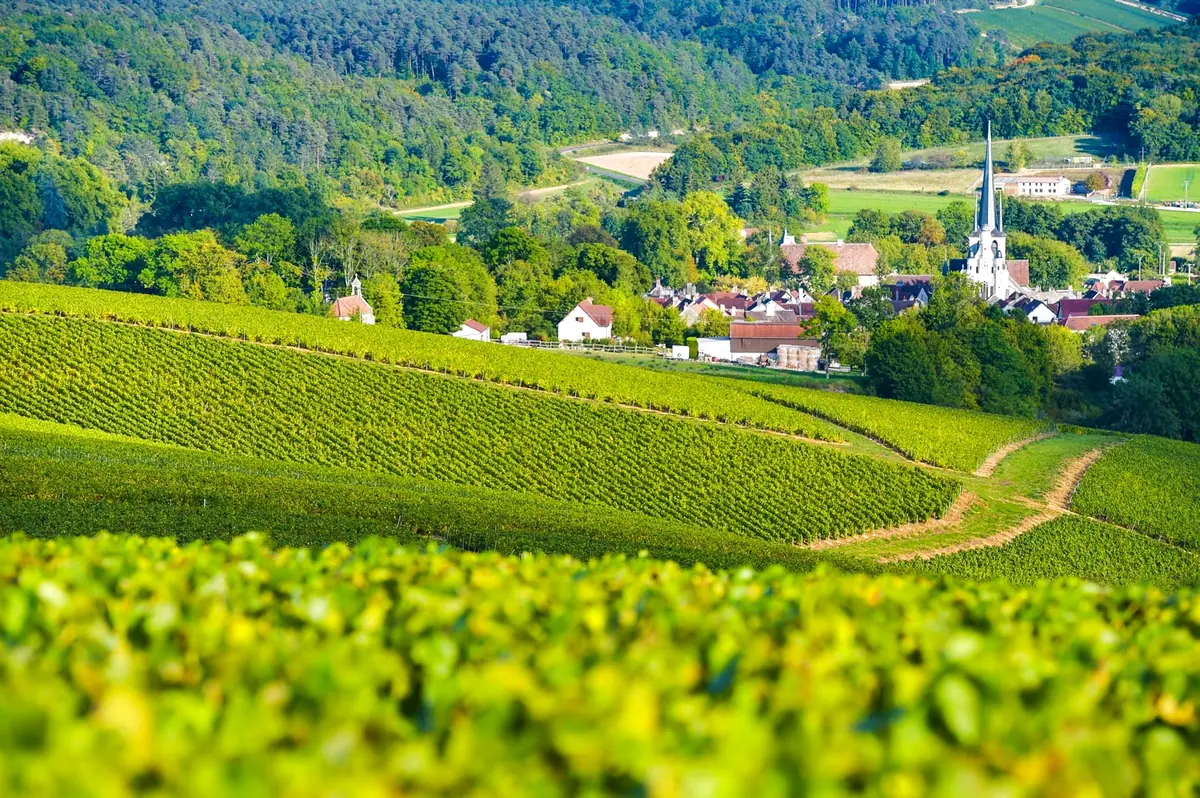
Champagne is divided into several sub-regions, each offering unique conditions for growing the grapes. The best known are the Montagne de Reims, the Vallée de la Marne, the Côte des Blancs and the Côte des Bar. Through its particular soils and climate, each of these regions contributes to the diversity and quality of the wines.
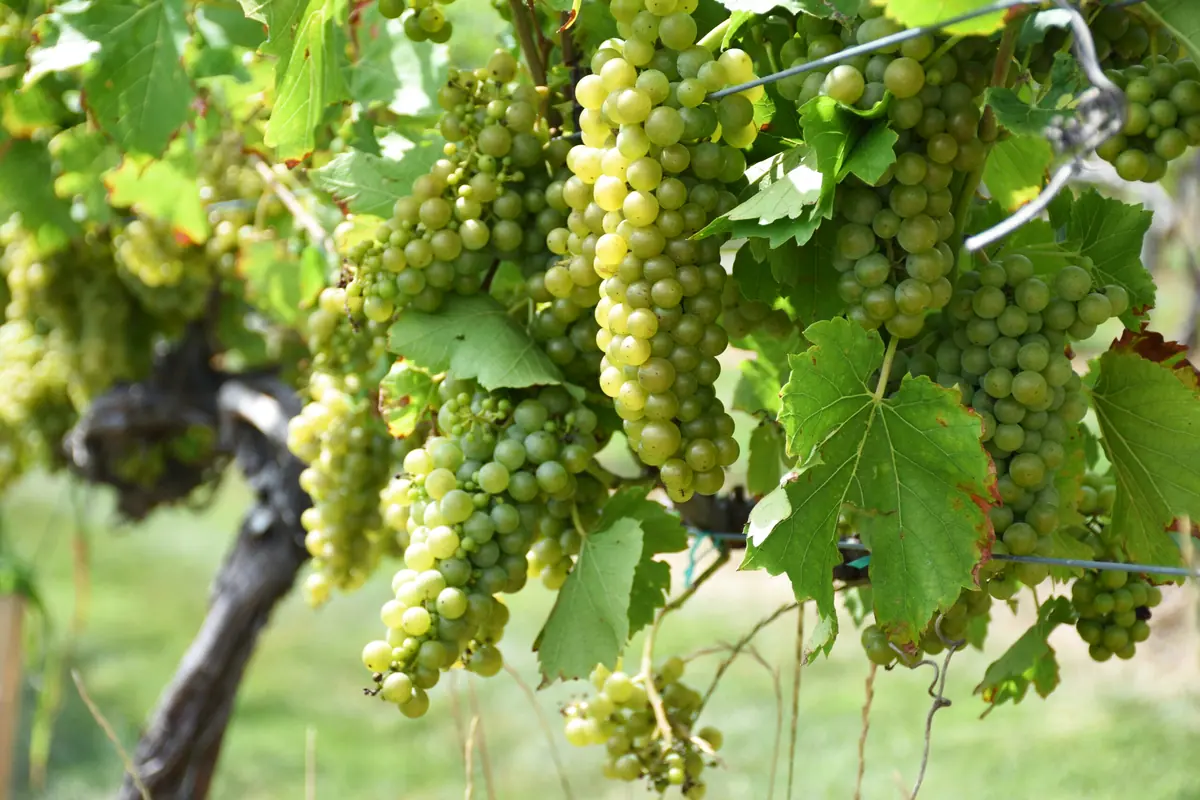
ViticultureThe three main grape varieties used to make champagne are Chardonnay, Pinot Noir and Pinot Meunier. Chardonnay brings elegance and freshness, Pinot Noir gives structure and complexity, while Pinot Meunier contributes fruitiness and softness. The art of champagne making lies in skilfully combining these varieties to create harmonious, balanced cuvées.
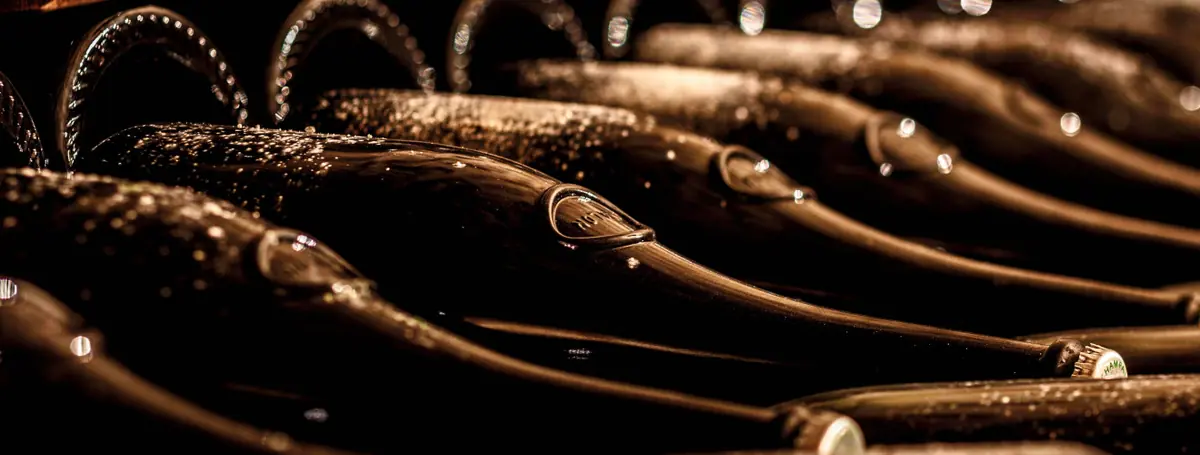 Salon Champagner Old
Champagne is home to numerous renowned champagne houses, known around the world for their excellent products. Houses such as Moët & Chandon, Veuve Clicquot and Dom Pérignon have a long tradition and contribute greatly to the fame and reputation of champagne. Each house has its own secrets and techniques, handed down from generation to generation, which shape the unique identity of its champagnes.
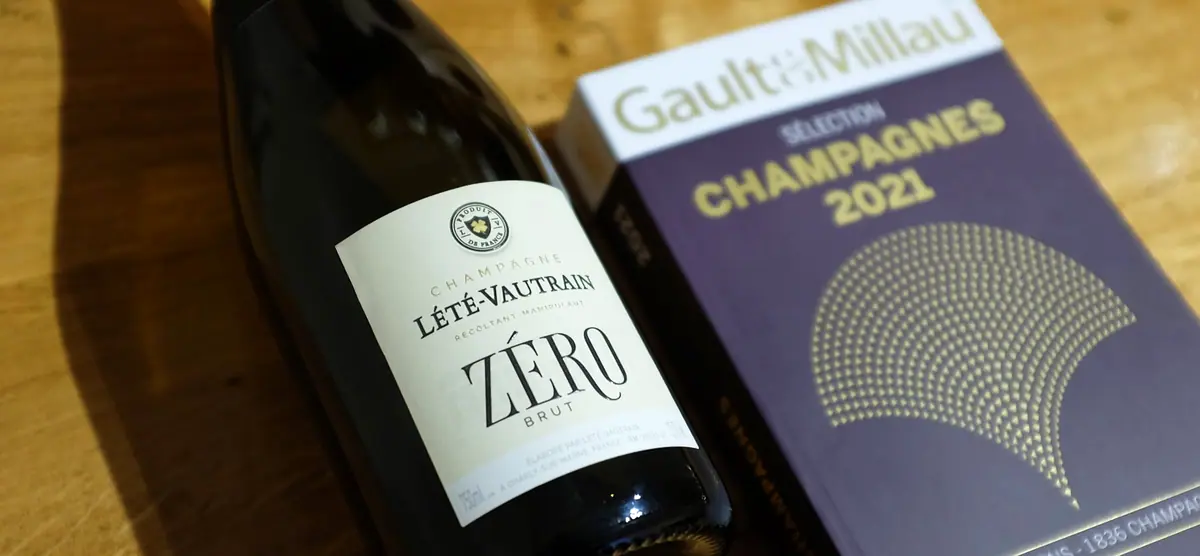 Brut Zero
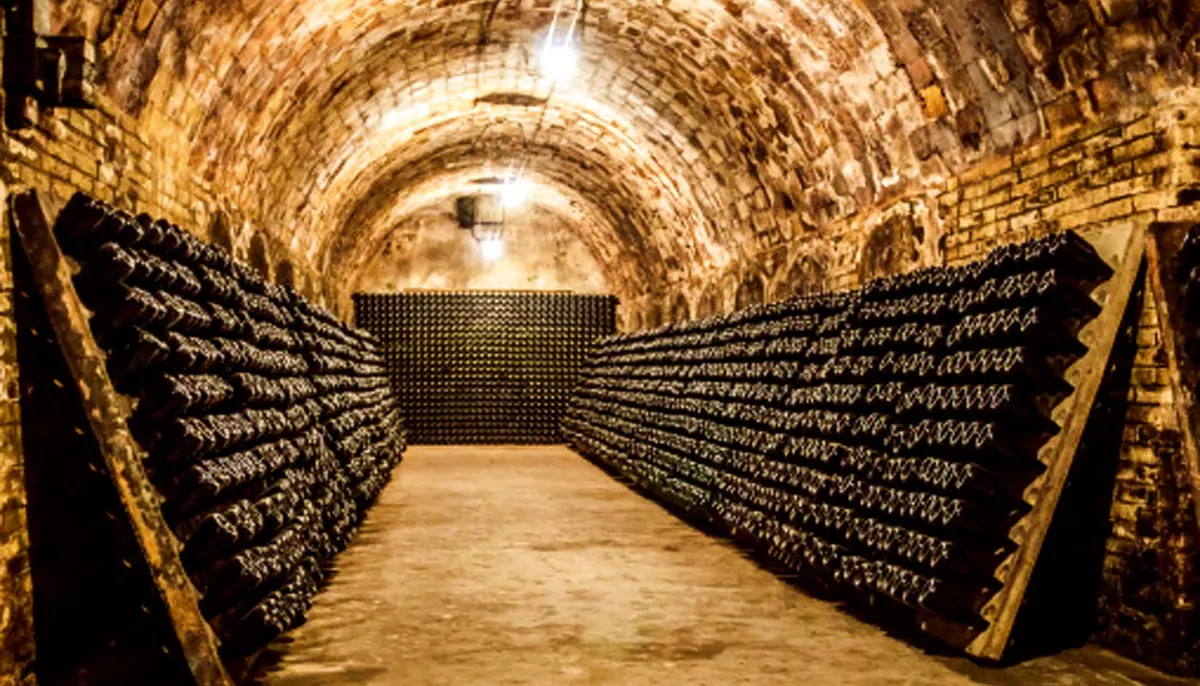
Champagne should be stored somewhere cool and protected from light to preserve its quality. A constant temperature of between 10 and 15 degrees Celsius is ideal. Bottles should be stored horizontally, so that the cork stays moist and no air can get in. Properly stored, champagne can age for many years and gain in complexity.
Champagne is more than just a drink; it is a symbol of elegance, luxury and celebration. Its production and origin make it a unique product that creates unforgettable moments on special occasions. The attention to detail and the strict quality standards that go into every bottle reflect the rich tradition and craftsmanship of Champagne.

AI sommelier: answers from the content of Champagner.com and can be wrong.